

Germany is one of the easiest countries in Europe to travel around. Yet, it can also be one of the most confusing.
Trains arrive fast. Buses leave on time. Subways run under cities like clockwork. Still, the system can feel overwhelming if you do not know where to look or which app to trust.
One wrong platform. One missed connection. One misunderstood ticket.
That is all it takes to turn a perfect day in Berlin, Munich, or Hamburg into stress.
This guide exists to prevent that.
In 2026, your phone is your most important travel tool in Germany. With the right transport apps, you can:
- Plan routes in seconds
- Buy tickets without standing in lines
- Avoid expensive mistakes
- Find the fastest connections
- Travel like a local, not a confused tourist
With the wrong apps, you will:
- Miss trains
- Buy the wrong tickets
- Overpay for transport
- Get lost more often than you should
This article will show you the best transport apps every tourist in Germany must have, how they work, and when to use each one.
Whether you are visiting for tourism, study, business, or relocation scouting, these apps will save your time, your money, and your energy.
Why Transport Apps Matter So Much in Germany
Germany does not run on guesswork. It runs on systems.
Public transport is:
- Extremely structured
- Very punctual
- Deeply interconnected
- Sometimes complex
One city can have:
- U-Bahn (subway)
- S-Bahn (urban trains)
- Regional trains
- Trams
- Buses
- Long-distance trains
All of them connect, follow schedules, require correct tickets.
You cannot rely on asking random people every time. You need tools.
Good transport apps help you:
- See real-time delays
- Find alternative routes
- Avoid wrong platforms
- Avoid fines for wrong tickets
- Travel with confidence
What Makes a Transport App “Good” for Tourists?
Not every app is tourist-friendly.
A good transport app in Germany should:
- Work in English
- Show clear routes
- Show real-time updates
- Explain connections simply
- Work well on mobile data
- Be fast and stable
It should also:
- Reduce stress
- Reduce waiting time
- Reduce wrong decisions
The Two Core Apps You Should Always Have
Before we talk about other tools, there are two apps that form the backbone of transport in Germany.
If you install only two, install these.
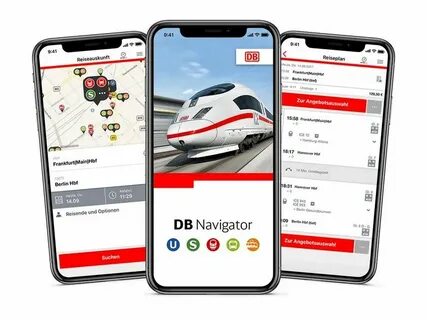
1. DB Navigator – The Official German Train App
The DB Navigator app is run by Deutsche Bahn, Germany’s national railway company.
You can learn more about it here
This app is the heart of German travel.
It covers:
- Long-distance trains (ICE, IC, EC)
- Regional trains
- Many local connections
- Platform numbers
- Delays and cancellations
What makes DB Navigator powerful:
- Real-time updates
- Platform changes shown instantly
- Route alternatives during disruptions
- Ticket purchase inside the app
- Works across the entire country
When you should use it:
- Traveling between cities
- Going to the airport
- Planning long journeys
- Checking delays
- Buying train tickets
Where it can confuse beginners:
- Many ticket types
- Many train categories
- Many route options
Still, no serious traveler in Germany should be without DB Navigator.
2. Google Maps – The Universal Navigator That Actually Works in Germany
Yes, Google Maps.
It is not a German app. Yet, it works extremely well in Germany.
You can see it here
In Germany, Google Maps shows:
- Trains
- Buses
- Trams
- Subways
- Walking routes
- Cycling routes
Why it is so useful:
- Simple interface
- Very easy to understand
- Great for tourists
- Shows step-by-step instructions
- Works well for walking + transport combinations
When to use Google Maps:
- Short city trips
- Finding your way around
- Walking to stations
- Quick route checks
- Simple navigation
Where it can fail:
- Ticket details
- Complex fare zones
- Some local disruptions
Quick Comparison Table: DB Navigator vs Google Maps
| Feature | DB Navigator | Google Maps |
|---|---|---|
| Real-time train info | Excellent | Good |
| Ticket buying | Yes | No |
| Ease of use | Medium | Very easy |
| City navigation | Good | Excellent |
| Long-distance planning | Excellent | Good |
| Best for | Serious travel | Everyday movement |
How to Use Both Together (Smart Strategy)
Do not choose one. Use both.
A smart tourist:
- Uses Google Maps to understand where to go
- Uses DB Navigator to manage actual train travel
Example:
- You search the route in Google Maps
- You confirm it in DB Navigator
- You buy the ticket in DB Navigator
- You follow the steps in Google Maps
This combination works extremely well.
Understanding German Transport Before Using Any App
Before using apps, understand the system.
Germany uses:
- Zones in many cities
- Different ticket rules per region
- Different transport companies per city
Mistakes tourists often make:
- Buying short-distance tickets for long rides
- Entering wrong zones
- Forgetting to validate tickets
- Riding ICE trains with local tickets
Apps help. But you still need to read carefully.
Why You Must Respect Ticket Rules
In Germany:
- There are many ticket inspectors
- Fines are common
- Excuses rarely work
If you ride without the correct ticket, you can pay €60 or more on the spot.
Apps reduce this risk. But only if you use them correctly.
Planning Inter-City Travel Like a Pro
When traveling between cities:
- Always check DB Navigator first
- Compare times and prices
- Check for required seat reservations
- Check if transfers are needed
Long-distance trains can be:
- Very fast
- Very comfortable
- Very expensive if booked late
Planning City Travel Without Stress
Inside cities:
- Google Maps is often enough
- Follow platform and exit signs
- German stations are very well labeled
Most apps show:
- Which platform to use
- Which exit to take
- How long to walk
How Delays and Disruptions Work in Germany
Yes, German trains are punctual. But delays still happen.
When they happen:
- DB Navigator updates faster than any other app
- Alternative routes appear automatically
- Platform changes show in real time
Never ignore notifications.
Battery, Data, and Offline Use
Always:
- Carry a power bank
- Download offline maps in Google Maps
- Save tickets inside DB Navigator
German stations often have poor signal underground.
A Typical Tourist Day Using These Apps
Let us imagine a day in Berlin.
Morning:
- You check Google Maps for route to Brandenburg Gate
- You check DB Navigator for S-Bahn delays
- You take the train
Afternoon:
- You use Google Maps to walk between attractions
- You use DB Navigator to return to your hotel
Evening:
- You check DB Navigator for last train times
No stress. No confusion.
Common Mistakes Tourists Make With Transport Apps
Avoid these:
- Not checking the date of the journey
- Not checking the direction of the train
- Boarding the wrong train category
- Not reading platform changes
- Assuming all trains accept all tickets
How Language Affects App Usage
Most German transport apps support English.
But:
- Station announcements are often in German
- Platform signs are bilingual
- App instructions are usually clear
Learn a few words:
- Ausgang = Exit
- Gleis = Platform
- Verspätung = Delay
- Zug = Train
Why Paper Maps and Asking People Is Not Enough
Germany is efficient. But also large and busy.
Apps:
- React faster
- Are more accurate
- Reduce mistakes
- Reduce stress
Use people as backup, not as main strategy.
Data Safety and Payments
Always:
- Use official apps
- Buy tickets inside DB Navigator only
- Avoid third-party strange sites
Your card is safe inside official systems.
Special Advice for Tourists From Africa and New Travelers
If you are coming from Nigeria or Africa:
- Download apps before arrival
- Create accounts early
- Add your card in advance
- Save your hotel address offline
Immigration officers may ask for:
- Proof of accommodation
- Proof of return ticket
Apps help you keep everything organized.
City-Specific Tips
Berlin
- Very large transport network
- Google Maps works perfectly
- DB Navigator is essential for regional trips
Munich
- Transport is very punctual
- Routes are simple
- Trams are very useful
Frankfurt
- Airport connections are frequent
- DB Navigator is very important here
What About Taxis and Ride Services?
This guide focuses on public transport.
Public transport in Germany is:
- Cheaper
- Safer
- More reliable
- More predictable
Taxis are fine. But expensive.
A Simple Transport App Checklist
Before leaving your hotel each day:
- Phone charged
- DB Navigator updated
- Google Maps offline area downloaded
- Ticket ready or planned
The Real Secret: Confidence Comes From Preparation
Most transport stress comes from not knowing.
Once you:
- Trust your apps
- Read instructions
- Double-check routes
Germany becomes one of the easiest countries in the world to move around.
Conclusion: Two Apps, Zero Stress
In 2026, you do not need ten transport apps in Germany.
You need two:
- DB Navigator for serious travel and trains
- Google Maps for everyday navigation
Used together, they:
- Eliminate confusion
- Save time
- Prevent expensive mistakes
- Turn you into a confident traveler
Germany rewards preparation.
With these apps, you will not just move.
You will move smartly.
FAQs
1. Is DB Navigator free to use?
Yes. The app is free. You only pay for tickets you buy.
2. Can I use Google Maps offline in Germany?
Yes. You can download city maps for offline use before your trip.
3. Do I need internet all the time?
It helps, but you can save routes and tickets offline for emergencies.
4. Can I buy all train tickets inside DB Navigator?
Most of them, yes. Especially long-distance and many regional tickets.
5. What happens if I take the wrong train?
You may need a new ticket. Inspectors do not accept mistakes as excuses.