
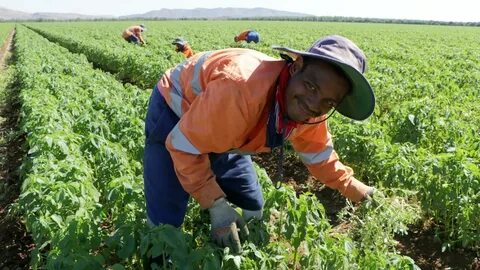

Australia’s vast agricultural landscape offers more than just wide-open spaces and fresh air. It presents a real chance for international job seekers to work, live, and possibly settle through farm jobs that include visa sponsorship. For 2026, opportunities continue to expand, especially as employers actively recruit both skilled and unskilled workers to meet persistent labor shortages across rural Australia.
In this extensive guide, you will discover:
- What farm jobs with visa sponsorship really mean
- The best pathways to legally work in Australia
- Expected wages, benefits, and challenges
- Actionable steps to begin your application
Let’s begin.
What Are Visa-Sponsored Farm Jobs?
At their simplest, visa-sponsored farm jobs allow foreign workers to secure employment in farms across Australia, where the employer supports or sponsors their visa application so they can legally work and live in the country. These jobs span from fruit picking and livestock handling to supervisory roles and specialized agriculture tasks.
In 2026, farms—from expansive cattle stations in Queensland to horticulture estates in Victoria—are advertising positions that may include visa sponsorship. Listings on job sites like SEEK and Indeed show hundreds of vacancies under “visa sponsorship farm jobs,” highlighting the breadth of available roles.
Before diving into opportunities, it’s important to clarify a crucial point:
“Free visa sponsorship” does not mean the government pays for your visa. Instead, the employer sponsors the application, and you are typically responsible for your visa fees, health checks, and related costs—unless otherwise specified.
This guide makes that distinction clear so you’re fully prepared.
Why Australia Is Actively Recruiting Farm Workers in 2026
Australia’s agricultural sector plays a central role in the national economy. It produces commodities such as:
- Fruits like grapes and citrus
- Wheat and other grains
- Meat from cattle and sheep
- Dairy products
Yet, labor shortages are acute, particularly in remote or regional farm areas, as fewer Australians are entering farm work.
This has led employers to recruit workers internationally, making farm jobs with visa sponsorship a key avenue for those seeking opportunities abroad.
Key Reasons for Demand
- Seasonal peaks—harvest periods require large teams
- Remote locations—lower local labor availability
- Physical nature of farm work—discourages some local workers
- Year-round roles—especially in animal husbandry and dairy operations
Types of Farm Jobs That Offer Visa Sponsorship
Here’s a clear look at the most common farm job categories where visa sponsorship is being offered in Australia for 2026:
| Job Category | Typical Duties | Skill Level |
|---|---|---|
| Fruit & Vegetable Picking | Harvesting, sorting, packing | Entry-level |
| Farm Hand / Labourer | Maintenance, irrigation, general tasks | Entry to mid-level |
| Livestock & Dairy Specialist | Animal feeding, milking, health checks | Mid-level |
| Farm Machinery Operator | Tractor driving, mechanical management | Skilled |
| Farm Supervisor / Manager | Planning, oversight, team leadership | Skilled/Manager |
Each of these roles can fall under sponsored work, if an employer is willing to support your visa application.
Visa Options Linked to Farm Jobs
To work in Australia with sponsorship, you must secure the correct visa. Here are the most relevant ones in 2026:
1. Temporary Skill Shortage (TSS) Visa – Subclass 482
- Who it’s for: Employers hire skilled or semi-skilled migrants
- Duration: Up to 4 years
- Pros: Pathway to permanent residency
- Cons: Employer must be approved sponsor
This visa is ideal if the role involves specialized skills like machinery operation, animal health, or farm management.
2. Seasonal Worker Program (SWP)
- Who it’s for: Workers from Pacific Island and Timor-Leste nations
- Duration: Seasonal contracts, up to 9 months
- Pros: Designed specifically for farm work
- Cons: Not a pathway to permanent residency
This program focuses on labor mobility and seasonal harvest demand.
3. Working Holiday Visa (Subclass 417/462)
- Who it’s for: Young people (typically 18–30 or 18–35 depending on nationality)
- Duration: Up to 12 months + second-year extension
- Pros: No employer sponsorship required for basic work
- Cons: Not a direct sponsorship visa; tied to age limits
This option is not formal sponsorship, but some farm workers use it to gain seasonal work easily.
4. Other Employer-Sponsored Pathways
Other visas—such as the Employer Nomination Scheme (ENS) Visa (Subclass 186)—may support permanent farm roles. These depend on meeting strict criteria.
 Typical Salaries, Benefits & Work Conditions
Here’s what you can reasonably expect from a sponsored farm job in Australia for 2026.
Average Wage Expectations
- Fruit & vegetable pickers: AUD 22–28 per hour
- Farm hands / laborers: AUD 24–32 per hour
- Skilled agricultural workers: More than AUD 30/hour depending on skill
These figures align with general agriculture wage trends in Australia.
Common Work Benefits
- Employer-sponsored visa processing
- Free or subsidized farm accommodation (where offered)
- Workplace training and skill building
- Potential pathway to PR for long-term roles
Some employers—even smaller farm outfits—provide housing assistance or free accommodation, which significantly lowers living costs.
Pros and Cons: What You Must Know
Pros
- Real work opportunities in 2026 with sponsorship
- Cultural experience living in Australia
- Potential pathway to long-term residency
- Hands-on roles requiring minimal formal qualifications
Cons
- Visa fees and medical checks are usually your responsibility
- Work can be physically demanding
- Remote and regional locations may pose lifestyle challenges
- Not every job listed offers true free sponsorship
Being realistic about both sides will help you choose wisely.
How to Find Legitimate Farm Jobs with Sponsorship
High volume job portals and employer listings are your best starting point:
Key Platforms to Search:
- SEEK – Visa Sponsorship Farm Jobs in Australia – Active farm listings updated daily. Explore vetted sponsorship farm roles on SEEK
- Indeed – Visa Sponsorship Agriculture Jobs – Broad agriculture job market including farm work. Browse agriculture jobs with sponsorship on Indeed
Steps to Take:
- Filter by “visa sponsorship” on these sites
- Prepare an Australia-style CV highlighting skills
- Apply directly through advertised employer links
- Follow up with recruiters or employers via email
- Prepare for interview – online or in person
Critical Mistakes to Avoid When Applying for Farm Jobs in Australia with Visa Sponsorship (2026)
This is where many people fail—not because opportunities do not exist, but because they approach the process with wrong assumptions, poor preparation, or dangerous shortcuts.
Farm visa pathways in Australia are real, but they are also strict, regulated, and heavily monitored. A single mistake can cost you:
- Your money
- Your application
- Your future chances of approval
- Or even a permanent ban from Australia
Let’s go through the most common and most expensive mistakes in detail.
1. Believing “Free Visa Sponsorship” Means You Pay Nothing
This is the number one misunderstanding.
Many applicants assume:
“If the job offers visa sponsorship, I will not pay anything.”
This is false.
What sponsorship really means:
- The employer sponsors your position, not your personal expenses
- You will almost always pay:
- Visa application fee
- Medical examination
- Police clearance
- Biometrics
- Document translation (if required)
- Sometimes skills assessment
Some employers may:
- Cover part of the cost
- Or reimburse you after you start work
But never assume everything is free unless it is clearly stated in writing.
Why this mistake is dangerous:
- You may start an application you cannot finish
- You may fall for scammers promising “100% free visa”
- You may miss deadlines due to lack of funds
2. Falling for Scams and Fake Agents
If you hear:
“Pay ₦200,000 / ₹300,000 / $500 and we guarantee your Australian visa.”
That is almost always a scam.
Common scam patterns:
- Fake job offer letters
- Fake sponsorship certificates
- Fake Australian immigration emails
- WhatsApp agents using stock photos
- Requests for payment before interview
- Claims of “inside connections” at Immigration
Important truth:
No agent can guarantee you an Australian visa.
Only the Australian Government decides visa approvals.
How to protect yourself:
- Apply directly on official job sites or company websites
- Never pay for a job offer
- Never send passport to anyone
- Verify the company exists in Australia
- Check that the employer is a registered sponsor
3. Applying for the Wrong Visa Type
Many applicants fail because they:
- Apply for tourist visa instead of work visa
- Apply for Working Holiday Visa when they are not eligible
- Apply for skilled visa without required experience
Each visa has:
- Strict age limits
- Country eligibility lists
- Skill and experience requirements
- Occupation lists
Common consequences:
- Automatic refusal
- Loss of visa fees
- Bad immigration history
- Future applications become harder
Always match:
- The job type
- The employer offer
- Your qualifications
- With the correct visa subclass
4. Using Fake Documents or “Adjusted” Experience
This is career suicide in immigration.
Some people:
- Forge experience letters
- Fake payslips
- Alter certificates
- Inflate years of experience
- Use another person’s documents
Australia has:
- Advanced verification systems
- Employer background checks
- International document verification
- Strict fraud penalties
If caught:
- Your visa is refused immediately
- You can be banned for 3–10 years
- Your name is flagged permanently
- Even future tourist visas may be refused
One fake document can destroy your entire future with Australia.
5. Ignoring the Physical and Mental Demands of Farm Work
Farm work is not office work.
Many people quit after arrival because:
- The sun is too hot
- The work is repetitive
- The days are long
- The work is physically demanding
- The location is remote
Common realities:
- 8–10 hours per day
- Standing, bending, lifting
- Early mornings
- Sometimes harsh weather
- Sometimes limited internet or city access
If you apply thinking it is “easy money,” you will suffer.
6. Assuming Every Farm Job Offers Sponsorship
Not all farm jobs:
- Can sponsor
- Want to sponsor
- Are approved to sponsor
Some employers:
- Only hire locals
- Only hire Working Holiday makers
- Do not want immigration paperwork
Mistake:
- Applying blindly to every farm job listing
- Not checking if visa sponsorship is explicitly stated
Always look for:
- “Visa sponsorship available”
- “Approved sponsor”
- “482 sponsorship offered”
- Or written confirmation from employer
7. Not Researching the Employer Properly
Some applicants accept offers from:
- Unknown farms
- Very new companies
- Businesses with bad worker reviews
- Or even fake companies
This can lead to:
- Non-payment of wages
- Exploitation
- Illegal work conditions
- Visa cancellation risk
Always:
- Google the company
- Check their Australian Business Number (ABN)
- Check reviews
- Confirm they are legally registered
8. Submitting a Weak or Poorly Written CV
Australian employers expect:
- Clear, simple, professional CV
- Straightforward job history
- Practical skills focus
- No long stories
Common CV mistakes:
- Using outdated format
- No focus on physical or practical skills
- Too long or too short
- Grammar errors
- No measurable experience
A weak CV can:
- Kill your chances before interview
- Make employers ignore your application
- Make sponsorship less likely
9. Underestimating Total Costs of Relocation
Even with sponsorship, you may still need:
- Flight ticket
- First month living expenses
- Bond for accommodation
- Food and transport
- Phone and work gear
Many people:
- Arrive broke
- Struggle in the first month
- Borrow money at high interest
- Get stressed and desperate
Always prepare a buffer fund.
10. Lying in the Visa Application Form
Never:
- Lie about age
- Lie about past visa refusals
- Lie about medical history
- Lie about work experience
- Lie about criminal record
Australia shares data with many countries.
If discovered:
- Immediate refusal
- Possible long-term ban
- Permanent immigration red flag
Immigration systems forgive mistakes. They do not forgive lies.
11. Ignoring English Language Requirements
Some visas require:
- IELTS or equivalent
- Or proof of basic English
If you ignore this:
- Your application may be refused
- Or delayed for months
Even if not strictly required:
- Poor English reduces your job chances
- Makes workplace life difficult
- Causes safety issues on farms
12. Depending Entirely on Agents Instead of Understanding the Process
Some people:
- Do not know what visa they are applying for
- Do not know the employer’s name
- Do not read their own documents
- Just “trust the agent”
This is very risky.
If anything goes wrong:
- You will suffer the consequences, not the agent
- You may not even know what was submitted in your name
You must understand your own immigration process.
13. Applying Too Late
Farm sponsorship visas:
- Have quotas
- Have processing queues
- Take weeks or months
If you wait:
- You may miss the season
- The employer may replace you
- Your documents may expire
14. Thinking Farm Work Automatically Leads to Permanent Residence
Some jobs:
- Can lead to PR
- Some cannot
- Some only allow short-term stay
Never assume:
“Once I enter Australia, PR is guaranteed.”
PR depends on:
- Occupation lists
- Government policies
- Employer willingness
- Your performance and history
Final Warning: Shortcuts Destroy Immigration Dreams
There are real, legal, and honest opportunities in Australian farm work.
But:
- Shortcuts
- Lies
- Fake agents
- And desperation
…are the fastest way to fail.
The Smart Approach
- Apply only to legitimate employers
- Use correct visa pathways
- Prepare real documents
- Budget properly
- And be patient and strategic
Conclusion: Is 2026 Your Year for Farm Work in Australia?
The short answer is yes—but with careful navigation.
There are genuine farm jobs in Australia with visa sponsorship opportunities in 2026, ranging from fruit picking to skilled agriculture roles supported by employers willing to sponsor visas. The demand remains strong, especially in regional centers where labor shortages are most severe.
However, success hinges on research, accurate application documents, and realistic expectations: understand costs, timelines, and the physical nature of the work.
If you are prepared to work hard and follow the right steps, Australia’s agricultural sector might be the launchpad for your work abroad in 2026.