
If you have ever imagined building a serious career in Europe, chances are Germany sits at the top of your list. And for good reason. Germany is not only Europe’s largest economy, it is also one of the few countries actively competing for skilled foreign professionals.
Yet, immigration to Germany is not based on dreams. It is based on qualifications, salary, and real job offers.
That is exactly where the EU Blue Card comes in.
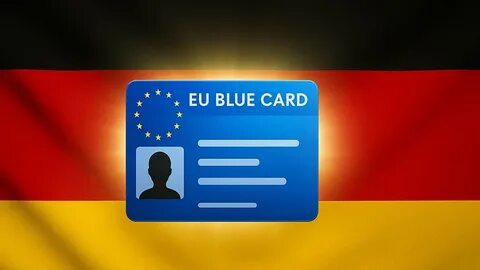
The Germany EU Blue Card is not a tourist visa. It is not a temporary job permit. It is a powerful residence and work permit designed for highly skilled professionals who want to live, work, and build a long-term future in Germany.
But here is the uncomfortable truth:
Many people misunderstand the Blue Card. Some think it is easy. Some think it is impossible. Both are wrong.
This guide will explain, in plain language, exactly:
- What the Germany EU Blue Card really is
- Who qualifies and who does not
- The salary requirements and why they matter
- The jobs that qualify
- How the application process works step by step
- The advantages and hidden challenges
- And whether this path is truly worth it for you
We will reference only two official and trustworthy sources throughout this guide:
- Germany’s official government portal for skilled migration: Make it in Germany
- The official website of the German Federal Office for Migration and Refugees (BAMF)
These links will be placed naturally inside the article where they add real value.
Let us begin with the big picture.
What Is the Germany EU Blue Card (In Simple Words)?
The EU Blue Card is a special residence permit for non-EU citizens who:
- Have a recognized university degree
- Have a job offer in Germany
- And earn at least a minimum required salary
It allows you to:
- Live and work in Germany legally
- Bring your family
- Change employers under certain conditions
- And apply for permanent residence much faster than most other visas
The German government created this system because:
- Germany has a severe shortage of skilled workers
- Millions of professionals are retiring
- The economy needs engineers, IT specialists, doctors, and more
You can see this policy clearly explained on the official portal Make it in Germany, which is the government’s main platform for skilled immigration:
👉 https://www.make-it-in-germany.com
Why Germany Is Actively Recruiting Skilled Foreigners
Germany is facing a demographic time bomb.
- The population is aging fast
- Fewer young people are entering technical fields
- Entire industries are short of staff
This affects:
- IT and software development
- Engineering and manufacturing
- Healthcare
- Construction
- Mathematics and natural sciences
Without foreign professionals, many German companies cannot grow or even survive.
That is why the EU Blue Card is not just an immigration tool. It is an economic survival strategy.
The Core Idea Behind the Blue Card
Germany does not want:
- Cheap labor
- Short-term workers
- Unstable migration
Germany wants:
- Highly skilled professionals
- Well-paid employees
- Long-term contributors to the economy
That is why the Blue Card is built around salary thresholds.
Your salary is not just your income. It is proof of your economic value to Germany.
Germany EU Blue Card Salary Requirements (2026 Explained Clearly)
Let us talk about the most important topic: money.
To qualify for the EU Blue Card, your German job must pay at least a minimum gross annual salary.
There are two salary levels:
- General professions
- Shortage occupations (called “bottleneck professions”)
Why Two Levels Exist
Germany knows some professions are in desperate shortage. So they allow lower salary thresholds for those roles.
These include:
- IT specialists
- Engineers
- Doctors
- Mathematicians
- Scientists
- Some technical specialists
 Salary Threshold Table (Simplified and Easy to Understand)
Note: Exact figures are adjusted every year. Always confirm on official sources before applying.
| Category | Typical Minimum Gross Salary (Per Year) | Who This Applies To |
|---|---|---|
| Standard professions | ~€50,000+ | Most degree-based jobs |
| Shortage occupations | ~€45,000+ | Engineers, IT, doctors, scientists |
Your salary must be:
- Written in your employment contract
- Paid by a German employer
- Subject to German taxes and social security
You can always verify the current thresholds on the official government portal Make it in Germany, which keeps these rules updated
Important Warning About Salary
Your salary must be:
- Real
- Market-appropriate
- Not artificially inflated just to pass the threshold
German authorities can and do reject applications if they believe:
- The salary is fake
- The job exists only on paper
- The company is not genuine
Which Jobs Qualify for the Germany EU Blue Card?
This is where many people get confused.
The Blue Card is not for:
- Unskilled work
- Low-paid jobs
- Jobs without academic requirements
It is mainly for:
- University graduates
- In professional roles
- With high responsibility and skill requirements
High-Demand Job Categories for the Blue Card
Here are the most common and realistic fields:
1. IT and Software Development
- Software engineers
- Backend and frontend developers
- Data scientists
- Cybersecurity specialists
- Cloud engineers
Germany’s digital sector is desperate for talent.
2. Engineering
- Mechanical engineers
- Electrical engineers
- Civil engineers
- Automotive engineers
- Industrial engineers
3. Healthcare
- Doctors
- Some specialized medical professionals
Nursing usually follows different visa routes, not the Blue Card.
4. Natural Sciences and Mathematics
- Physicists
- Chemists
- Mathematicians
- Researchers
5. Some Technical and Academic Roles
- University researchers
- Senior technical specialists
- Certain architects and planners
What About Business, Accounting, or Marketing?
They can qualify if:
- Your degree is recognized
- The job truly requires that degree
- The salary meets the threshold
But competition is much higher in these fields.
Your Degree Must Be Recognized in Germany
This is non-negotiable.
Your university degree must be:
- Recognized in Germany
- Or comparable to a German degree
This is checked during the process.
If your degree is not recognized, you cannot get a Blue Card.
The Germany EU Blue Card vs Other Work Visas
Many people ask:
Why not just get a normal work visa?
Here is the difference.
Key Advantages of the Blue Card
- Faster path to permanent residence
- Easier family reunification
- Spouse can work without restrictions
- More career mobility
- Recognized across many EU countries
Permanent Residence: The Big Prize
With the EU Blue Card, you can apply for permanent residence after:
- 33 months of work in Germany
- Or 21 months if you reach B1 level German
That is extremely fast by global standards.
The Application Process: Step by Step
Let us break this down in human language.
Step 1: Get a Qualified Job Offer
You must have:
- A signed job contract or binding offer
- From a German employer
- With a salary above the threshold
No job = no Blue Card.
Step 2: Check Degree Recognition
Your degree must be:
- Recognized
- Or classified as equivalent
This is a crucial step.
Step 3: Prepare Your Documents
You will typically need:
- Passport
- Job contract
- Degree certificates
- CV
- Proof of recognition
- Health insurance
Step 4: Apply at the Embassy or in Germany
- If you are outside Germany, apply at the German embassy
- If you are already in Germany legally, apply at the immigration office
Step 5: Register and Collect Your Card
After arrival:
- Register your address
- Attend appointments
- Provide biometrics
- Receive your Blue Card
Who Makes the Final Decision?
The decision is handled by:
- The local immigration authorities
- Under the supervision of the Federal Office for Migration and Refugees (BAMF)
You can see their official role here.
The Hidden Challenges Nobody Talks About
Let us be honest.
1. Finding the Job Is the Hardest Part
- German employers are cautious
- They prefer local candidates
- Your CV must be excellent
2. Recognition of Degrees Can Be Slow
- Some countries’ degrees take longer to verify
- Some fields face more scrutiny
3. German Language Is Not Always Optional
Even if the job is in English:
- Life in Germany runs in German
- Bureaucracy is in German
- Integration is much easier with German
Is the Germany EU Blue Card Worth It?
For the right person: Absolutely yes.
Pros
- High-quality life
- Strong currency
- Stable economy
- Powerful passport in the long term
- Family security
Cons
- High expectations
- Competitive job market
- Bureaucracy
- Cultural adjustment
A Realistic Perspective
The Blue Card is not a shortcut.
It is a professional immigration route for people who are:
- Skilled
- Qualified
- And ready to compete globally
Final Thoughts: A Career, Not Just a Visa
The Germany EU Blue Card is not about escaping your country.
It is about:
Building a serious international career in one of the world’s strongest economies.
If you qualify, it can change your life.
If you do not, it gives you something else: a clear target to work toward.
Frequently Asked Questions (FAQs)
1. Can I get a Germany EU Blue Card without a university degree?
No. A recognized university degree is mandatory.
2. Can I bring my family with a Blue Card?
Yes. Your spouse and children can join you, and your spouse can work without restrictions.
3. Do I need German to get the Blue Card?
Not always for the job, but German is essential for life and long-term success.
4. How long does the Blue Card process take?
It varies. From a few weeks to several months, depending on your case and country.
5. Can the Blue Card lead to German citizenship?
Yes. After permanent residence and meeting residency requirements, you can apply for citizenship.