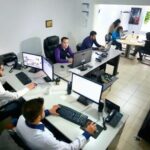


Germany’s technology sector has emerged as one of Europe’s most dynamic, with persistent demand for experienced IT and software professionals across traditional industries, technology companies, and startups. The country’s digital transformation initiatives, Industry 4.0 programs, and shortage of approximately 149,000 IT specialists create exceptional opportunities for international technology professionals seeking European career pathways.
The combination of competitive compensation, structured work environments, English-friendly workplaces in technology sectors, and favorable immigration policies for IT professionals positions Germany as an attractive destination for experienced software engineers, system administrators, data scientists, and technology specialists from around the world.
Germany’s IT and Technology Landscape
Germany’s technology sector encompasses global technology companies, traditional industries digitalizing operations, fintech startups, e-commerce platforms, and specialized software firms. Berlin has established itself as a vibrant startup hub, while Munich, Frankfurt, Hamburg, and Stuttgart host established technology employers and corporate IT departments.
Traditional manufacturing companies including automotive manufacturers, industrial equipment producers, and engineering firms maintain substantial IT departments developing software for products, managing enterprise systems, and driving digital transformation initiatives. These companies increasingly hire software professionals as technology becomes central to their business models.
SAP, Europe’s largest software company headquartered in Walldorf, employs thousands of IT professionals. Other major German technology employers include Deutsche Telekom, Siemens Digital Industries, and automotive technology divisions of BMW, Mercedes-Benz, and Volkswagen.
The startup ecosystem in Berlin, Munich, and other cities creates opportunities in emerging technology companies developing software products, mobile applications, and digital services. These companies often operate primarily in English and actively recruit international talent.
Consulting firms including Accenture, Deloitte, and specialized IT consultancies employ substantial technology workforces serving client digital transformation projects across industries.
 High-Demand IT Specializations
Software developers and engineers across all specializations experience strong demand, with particular shortages in full-stack developers, backend engineers, and mobile application developers. Salaries range from €55,000 to €85,000 for mid-level developers, reaching €90,000 to €120,000 for senior engineers.
Cloud architects and engineers specializing in AWS, Azure, or Google Cloud platforms command premium compensation given the widespread cloud migration occurring across German enterprises. Experienced cloud professionals earn €70,000 to €110,000 depending on expertise depth.
DevOps engineers and site reliability engineers bridging development and operations fill critical roles in modern software organizations. These professionals typically earn €65,000 to €100,000, with senior practitioners exceeding six figures.
Data scientists and machine learning engineers applying analytics and AI to business problems face exceptionally strong demand as German companies pursue data-driven decision making. Compensation ranges from €65,000 to €110,000 based on experience and specialization.
Cybersecurity specialists including security engineers, penetration testers, and security architects address growing concerns about digital threats and regulatory compliance. These specialized roles command €70,000 to €120,000 or more for experienced professionals.
IT project managers and product owners coordinating technology initiatives earn €60,000 to €95,000, with senior program managers potentially exceeding €110,000 in large organizations.
System administrators and infrastructure specialists maintaining enterprise IT environments remain essential despite cloud migration trends. Salaries range from €50,000 to €80,000 depending on technology stack complexity.
Compensation Structures and Benefits
Base salaries for experienced IT professionals in Germany are competitive within Europe, though typically lower than US technology hubs. However, comprehensive benefits, work-life balance, and social security systems provide substantial total value.
Senior software engineers in major cities typically earn €75,000 to €95,000 base salary, while tech leads and principal engineers reach €100,000 to €130,000. Startup equity and performance bonuses supplement base compensation in growth companies.
German tax and social insurance systems result in significant deductions from gross salaries. Income tax, solidarity surcharge, pension, health insurance, and other contributions reduce take-home pay to approximately 55-60% of gross for typical IT salaries.
Benefits packages typically include 25-30 days annual vacation, employer pension contributions, comprehensive health insurance, professional development budgets, and flexible working arrangements increasingly including remote work options.
Technology companies, particularly startups and international firms, often provide additional perks including gym memberships, transportation passes, meal allowances, company equipment, and learning stipends for courses and conferences.
Performance bonuses in corporate environments can add 5-15% to base salaries, while startups may offer equity compensation providing potential upside though with associated risks.
Language Requirements and English Workplaces
IT sector language requirements differ substantially from traditional German industries. Many technology companies, particularly startups and international corporations, operate primarily in English with minimal German requirements for technical positions.
Berlin’s startup scene extensively uses English as working language, with many companies having international teams where English serves as common language. Software engineers can work entirely in English in numerous Berlin technology companies.
Larger corporations and traditional German companies increasingly accept English for IT roles while preferring German for long-term career prospects. Many organizations provide German language courses supporting professional development.
Technical communication in software development often occurs in English regardless of company language, as documentation, programming languages, and technical resources predominantly use English terminology.
Career advancement particularly into management positions typically requires German proficiency. While technical roles may function in English, leadership positions benefit significantly from German language capability.
Integration into German society and daily life outside work requires German language skills. While work may occur in English, navigating bureaucracy, social situations, and community life necessitates German development.
Visa and Immigration Pathways
The EU Blue Card provides streamlined immigration for IT professionals with university degrees and job offers meeting salary thresholds. IT specialists qualify with salaries exceeding approximately €43,800 annually, well below typical IT compensation levels.
Blue Card benefits include simplified application processes, family reunification rights, accelerated pathways to permanent residence, and mobility within the European Union. After 33 months (21 months with B1 German proficiency), holders can apply for permanent settlement permits.
The IT Specialist visa enables IT professionals without university degrees to immigrate based on professional experience and job offers. This pathway recognizes that many successful software professionals lack formal degrees but possess substantial practical expertise.
ICT transfer provisions allow multinational companies to transfer employees to German operations. Technology professionals working for companies with German subsidiaries can access these intra-company transfer pathways.
Job seeker visas permit qualified IT professionals to enter Germany for up to six months to search for employment. This option suits professionals wanting to attend interviews, network, and explore opportunities before committing to specific positions.
The Skilled Workers Immigration Act facilitates IT professional recruitment through various pathways recognizing both academic and vocational qualifications, reflecting Germany’s urgent need for technology talent.
Remote Work and Location Flexibility
The shift toward remote work accelerated by recent global events has expanded possibilities for IT professionals in Germany. Many companies now offer hybrid arrangements or fully remote positions.
International remote work from Germany requires appropriate work authorization. IT professionals cannot simply work remotely for foreign companies while residing in Germany on tourist visas without violating immigration regulations.
Remote work arrangements with German companies provide flexibility while maintaining visa compliance. Many IT professionals work remotely from smaller German cities or rural areas while employed by companies based in major urban centers.
European remote work opportunities have expanded, with some German companies hiring throughout the EU. EU citizens particularly benefit from increased geographic flexibility in technology employment.
Digital nomad considerations require careful navigation of visa requirements, tax obligations, and residence regulations. IT professionals considering location-independent arrangements should understand legal implications.
Finding IT Employment in Germany
LinkedIn dominates professional networking for IT positions in Germany, with recruiters actively sourcing candidates and companies posting opportunities. Maintaining an updated, detailed LinkedIn profile proves essential for job searches.
Specialized IT job boards including Stack Overflow Jobs, GitHub Jobs, and German platforms like StepStone and Xing list technology positions across experience levels and specializations.
Recruiting agencies specializing in IT placement including tech recruiters and headhunters actively place professionals with German employers. Experienced IT professionals often receive unsolicited contact from recruiters seeking candidates for open positions.
Company career pages for target employers provide direct application channels. Technology professionals should identify companies of interest and monitor their careers sections for relevant opportunities.
Tech meetups, conferences, and networking events in German cities facilitate connections with potential employers and industry peers. Berlin particularly hosts numerous technology community events.
Open source contributions and public code portfolios demonstrate capabilities to potential employers. GitHub profiles and technical blog posts serve as practical portfolios supplementing traditional resumes.
Workplace Culture in German IT
German technology workplaces generally emphasize structured processes, thorough documentation, and systematic approaches to software development. While startups may embrace more agile, flexible methods, traditional companies maintain organized workflows.
Work-life balance receives significant respect, with 40-hour weeks standard and overtime not culturally expected. German IT professionals typically maintain clear boundaries between work and personal time.
Meetings follow agendas and value preparation. German business culture appreciates structured discussions, documented decisions, and clear action items rather than informal brainstorming.
Direct feedback and communication characterize German workplaces. IT professionals should expect straightforward critique and honest assessments without excessive diplomatic softening.
Continuous learning and skill development are valued and often employer-supported through conference attendance, course funding, and dedicated learning time. German companies recognize the importance of keeping technical skills current.
Regional Technology Hubs
Berlin’s diverse startup ecosystem, international atmosphere, and creative culture attract technology professionals seeking dynamic, multicultural environments. Salaries may be slightly lower than Munich but living costs are more moderate.
Munich combines established technology companies, automotive industry digital divisions, and growing startup scene. Higher salaries reflect elevated cost of living in Bavaria’s capital.
Frankfurt’s financial sector drives fintech and enterprise software opportunities. The city’s banking industry creates demand for IT professionals with financial technology expertise.
Hamburg’s media, e-commerce, and logistics sectors generate technology employment. The port city offers quality of life with maritime character alongside technology opportunities.
Stuttgart’s automotive and manufacturing concentration creates substantial demand for embedded systems engineers, industrial software developers, and manufacturing technology specialists.
Cologne and Rhine-Ruhr region hosts diverse industries requiring IT support, from media companies to manufacturing firms undergoing digital transformation.
Career Development and Growth
Senior technical tracks allow IT professionals to advance through technical expertise rather than management. Positions like principal engineer, staff engineer, or technical architect provide senior roles for individual contributors.
Engineering management pathways lead through team lead, engineering manager, and director positions for those interested in people management and organizational leadership.
Specialization deepening in areas like machine learning, security, or specific technology stacks creates expertise valuable across employers. Deep specialists command premium compensation.
Cross-functional transitions into product management, technical sales, or solution architecture leverage technical backgrounds while developing different skill sets.
Consulting and freelancing opportunities exist for experienced IT professionals. German freelance IT rates typically range from €80 to €150 per hour depending on specialization and experience.
Challenges for International IT Professionals
Bureaucracy and administrative processes can frustrate newcomers accustomed to more streamlined systems. Registering residence, obtaining tax numbers, and navigating various government procedures requires patience.
Housing markets in major technology hubs are competitive and expensive. Berlin, Munich, and Frankfurt particularly challenge newcomers seeking accommodation without established German rental history.
Cultural adaptation beyond workplace includes understanding German social norms, communication styles, and daily life patterns. Integration takes time and conscious effort.
Family considerations including partner employment and children’s education affect relocation decisions. Germany’s systems support families but require navigation and adjustment.
Lower nominal salaries compared to US technology markets initially seem disappointing, though comprehensive benefits, social security, vacation time, and work-life balance provide substantial value.
Conclusion
IT and software jobs in Germany offer experienced international professionals access to Europe’s largest economy with robust technology sector demand, competitive total compensation, and favorable immigration policies specifically targeting technology talent. The shortage of approximately 149,000 IT specialists creates exceptional opportunities across specializations from software development to data science and cybersecurity.
Salaries ranging from €55,000 for mid-level positions to €120,000+ for senior specialists, combined with comprehensive benefits, generous vacation, and emphasis on work-life balance, provide attractive packages within European context. While nominal salaries may not match US technology hubs, total value considering benefits, social security, and lifestyle factors proves compelling.
Success requires recognized qualifications or substantial demonstrable experience, functional English capabilities, and adaptability to German workplace culture valuing structure, documentation, and direct communication. For experienced IT professionals seeking European opportunities, Germany’s combination of strong demand, accessible immigration pathways, and established technology sector creates one of the continent’s most promising destinations for international technology careers.