

New Zealand’s construction industry faces persistent labor shortages across skilled trades and general laborer positions, creating opportunities for both domestic and international workers. The sector employs approximately 280,000 workers engaged in residential construction, commercial building, infrastructure projects, and civil engineering works throughout the country.
Construction laborer positions offer foreign workers accessible entry to New Zealand’s workforce with minimal formal qualification requirements compared to skilled trades. Understanding the construction labor market, visa pathways, compensation structures, and working conditions helps international applicants assess opportunities while recognizing both the potential and limitations of general laborer roles in New Zealand’s immigration context.
 New Zealand’s Construction Industry
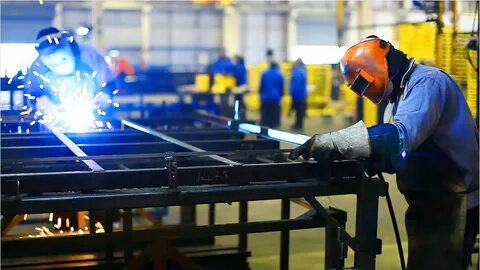
New Zealand’s construction sector experiences sustained activity driven by population growth, housing shortages in major cities, earthquake recovery projects, and infrastructure investment. Auckland, as the country’s largest city, hosts the highest concentration of construction activity, though significant projects occur throughout both islands.
Residential construction dominates employment, with builders requiring laborers to support house construction, renovations, and property development. The government’s housing targets create consistent residential building activity despite economic fluctuations.
Commercial construction in Auckland, Wellington, and Christchurch generates substantial laborer demand for office buildings, retail developments, and hospitality projects. These large-scale developments require extensive laborer workforces for site preparation, material handling, and construction support.
Infrastructure projects including roads, bridges, water systems, and public facilities provide multi-year employment opportunities. Major government-funded initiatives create stable work for construction companies and their laborer teams.
Civil engineering works involving earthworks, drainage, and site development require laborers for ground preparation, excavation support, and site maintenance throughout project durations.
Construction Laborer Roles and Responsibilities
General construction laborers perform diverse tasks including site cleanup, material handling, equipment moving, assisting tradespeople, excavation support, and basic construction activities. These foundational roles require physical capability rather than specialized skills.
Concrete laborers assist with concrete pours, finishing, form setup, and cleanup. While not requiring formal qualifications, experience with concrete work increases employability and earning potential.
Scaffolding laborers help erect, dismantle, and move scaffolding structures under supervision of qualified scaffolders. This work requires physical fitness for climbing and working at heights.
Demolition laborers assist with building dismantling, debris removal, and site clearance. Demolition work is physically demanding and requires strict adherence to safety protocols.
Traffic management support positions help maintain safe work zones on road projects through cone placement, sign positioning, and traffic flow assistance under direction of certified traffic controllers.
Site maintenance workers focus on keeping construction sites clean, organized, and safe through ongoing cleanup, waste management, and housekeeping activities throughout project duration.
Compensation and Wage Expectations
Construction laborer wages in New Zealand typically range from NZD $23 to $30 per hour depending on experience, location, employer, and specific role. Entry-level positions start near minimum wage with increases as workers develop competency and reliability.
Auckland’s higher cost of living generally correlates with wages at the upper range, approximately NZD $25 to $30 per hour for experienced laborers. Other major centers including Wellington and Christchurch offer comparable rates.
Regional construction projects sometimes pay competitive rates to attract workers to locations with limited local labor pools. Some regional positions offer accommodation support or allowances compensating for relocation.
Full-time construction laborers working standard 40-hour weeks earn approximately NZD $48,000 to $62,000 annually before overtime. Overtime opportunities during project peaks can substantially increase total earnings.
Casual employment is common in construction, with workers earning higher hourly rates (typically 8% loading) but lacking paid leave and job security. Many laborers work casually initially, transitioning to permanent positions with reliable employers.
Unionized construction sites, while less common than in some countries, offer negotiated wage rates and conditions typically exceeding non-union equivalents. Union membership provides additional protections and standardized pay scales.
Visa Pathways for International Workers
The Accredited Employer Work Visa allows foreign construction laborers to work for accredited New Zealand employers who cannot fill positions with local workers. Construction companies regularly use this pathway for various positions including general laborers.
The Construction and Infrastructure skill shortage list periodically includes various construction occupations, though general laborer roles face more scrutiny than skilled trades. Employers must demonstrate genuine attempts to recruit New Zealand workers before hiring internationally.
Working Holiday visas provide the most accessible pathway for young foreign workers entering construction labor. Citizens of participating countries aged 18-30 can work in construction while traveling in New Zealand, with some able to extend stays through additional work in certain regions.
Essential Skills work visas, being phased out but still relevant for existing holders, enabled lower-skilled construction work. The transition to the AEWV system has made requirements more stringent but pathways still exist for legitimate positions.
Partner work visas provide unrestricted employment rights for spouses of New Zealand residents, citizens, or eligible visa holders. Foreign workers in this category can accept construction laborer positions without employer sponsorship requirements.
Pathways to residence through construction laborer work are limited. These positions typically don’t qualify for skilled migration categories, though workers who develop trade skills, establish relationships, or accumulate extended work experience may eventually access residence through alternative pathways.
Working Conditions and Safety Requirements
Construction sites are inherently hazardous environments requiring strict adherence to health and safety regulations. New Zealand’s health and safety legislation places significant responsibility on employers and workers to maintain safe workplaces.
Site induction training is mandatory before starting work on construction sites, covering site-specific hazards, emergency procedures, personal protective equipment requirements, and safety protocols. Workers must complete inductions for each new site.
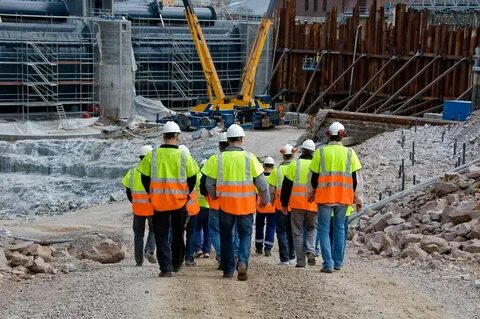
Personal protective equipment including hard hats, safety boots, high-visibility clothing, and often safety glasses and gloves are required on all construction sites. Employers typically provide PPE though workers may need to purchase their own safety boots.
Working at heights, common in construction, requires specific training and adherence to fall protection protocols. Laborers working on scaffolding, roofs, or elevated platforms must understand height safety requirements.
Physical demands include heavy lifting, carrying materials, working in various weather conditions, prolonged standing, and repetitive movements. Construction labor requires good physical health and fitness to sustain performance throughout workdays.
Weather exposure is significant in New Zealand construction, as outdoor work continues in rain, wind, and varying temperatures. Workers must dress appropriately and adapt to weather conditions affecting job sites.
Noise, dust, and vibration exposure occur regularly on construction sites. Hearing protection, dust masks, and proper equipment operation help mitigate these environmental factors.
Finding Construction Laborer Employment
Trade Me Jobs, Seek, and Indeed NZ regularly list construction laborer positions. Searching terms like “construction laborer,” “general hand,” or “builder’s laborer” reveals current opportunities across regions.
Recruitment agencies specializing in construction and trades placement connect workers with employers. Agencies including Skilled Trades, Allied Workforce, and local construction recruiters handle temporary and permanent placements.
Direct approaches to construction companies, particularly smaller builders and contractors, can be effective. Many construction employers prefer direct applications demonstrating initiative and immediate availability.
Networking through other construction workers, immigrant communities, and industry connections provides job leads. Construction hiring often occurs through word-of-mouth and employee referrals.
On-site inquiries at active construction sites can yield opportunities, particularly for projects requiring additional laborers. Respectful approaches to site supervisors during breaks or before/after work hours sometimes result in employment offers.
Skills and Attributes for Success
Physical fitness and stamina are essential for sustaining demanding work throughout long days. Construction labor requires strength, endurance, and ability to work actively for 8-10 hours daily.
Reliability and consistent attendance matter immensely in construction where project schedules depend on full crew presence. Employers highly value laborers who arrive punctually and maintain strong attendance.
Willingness to learn and follow direction enables laborers to develop skills and take on varied tasks. Construction foremen and tradespeople appreciate laborers who listen, ask questions when needed, and apply instruction.
Safety awareness and adherence to protocols protect workers and colleagues. Understanding and following safety requirements is non-negotiable in construction environments.
Teamwork capability supports efficient construction operations where crews depend on each person contributing effectively. Cooperative attitudes and positive interactions enhance crew functioning.
Basic tool knowledge and mechanical aptitude, while not required initially, develop through experience and increase value to employers. Familiarity with common hand tools and equipment operation expands task capabilities.
Career Development Opportunities
Progression to semi-skilled positions including concrete finisher, scaffolder, or specialized laborer roles increases earning potential and job interest. These positions offer modest advancement without full trade qualifications.
Trade apprenticeships represent significant career advancement for motivated laborers. New Zealand’s construction industry offers apprenticeships in carpentry, plumbing, electrical work, and other trades. Former laborers with industry experience often secure apprenticeships.
Plant operation training for equipment like excavators, bobcats, or rollers opens higher-paid positions. Obtaining machine operator certifications significantly enhances employment options and earnings.
Traffic management qualifications enable transition to certified traffic controller positions paying higher rates with different work profiles. These courses take several days and provide valuable credentials.
Site supervisor or leading hand roles become accessible to experienced laborers demonstrating leadership and competence. These positions oversee other laborers while earning premium rates.
Language Requirements
English proficiency requirements vary by employer and role. Basic conversational English suffices for some laborer positions where instruction is straightforward and tasks are demonstrable.
Safety communication requires sufficient English comprehension to understand hazard warnings, safety briefings, and emergency instructions. Workers must communicate effectively about safety regardless of role.
Site instructions from foremen and tradespeople require functional English to understand task directions, specifications, and feedback. Misunderstanding instructions creates safety risks and quality issues.
Language improvement during employment enhances career prospects and workplace safety. Many successful construction workers develop English skills through workplace exposure and formal classes.
Regional Variations and Opportunities
Auckland’s construction boom creates highest absolute number of laborer positions but also faces most competition from local workers and established immigrant communities.
Wellington’s government-funded projects and commercial construction generate steady laborer demand with wages reflecting capital city cost of living.
Christchurch’s ongoing rebuild and development continue creating construction opportunities over a decade after major earthquakes, though activity has stabilized from peak levels.
Regional centers including Hamilton, Tauranga, and Dunedin have construction activity with potentially less competition and more affordable living costs. Some workers find better work-life balance in smaller cities.
Rural construction projects occasionally seek workers for specific developments or infrastructure works. These temporary opportunities may include accommodation arrangements.
Challenges for Foreign Workers
Limited advancement without trade qualifications means laborer positions rarely lead to substantial wage growth. Career development requires pursuing formal trade training or specialized certifications.
Physical toll accumulates from demanding work, with aging laborers facing challenges sustaining construction labor careers long-term. Planning for physical limitations and skill development matters.
Employment vulnerability during economic downturns affects construction disproportionately. Laborers on temporary visas face particular risks if construction activity declines.
Seasonal variations in construction activity affect work availability, with winter months sometimes experiencing reduced hours or temporary layoffs in weather-dependent outdoor work.
Accommodation costs in major construction centers, particularly Auckland, can strain laborer budgets. Shared housing and careful financial management are often necessary.
Conclusion
Construction laborer jobs in New Zealand offer foreign workers accessible employment in a sector experiencing sustained activity and labor shortages. With wages ranging from NZD $48,000 to $62,000 annually for full-time work, these positions provide moderate income requiring physical capability rather than formal qualifications.
Working holiday visa holders find construction labor particularly accessible for short-term employment funding travel, while those with employer sponsorship or partner visas can access longer-term positions. Direct pathways to permanent residence through laborer work alone are limited, though the positions can serve as foundations for developing trade skills or establishing presence in New Zealand.
Success requires physical fitness, safety awareness, reliability, and realistic expectations about advancement requiring additional qualifications. For international workers seeking New Zealand employment in an active sector with genuine labor demand, construction laborer positions provide viable though physically demanding opportunities in a country offering quality of life alongside work.