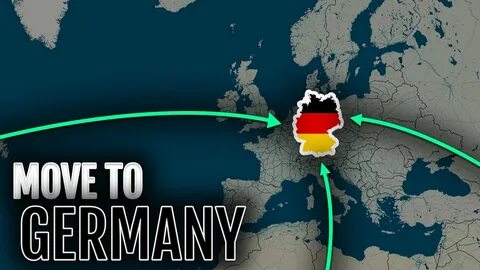

For many Africans, Germany has moved from a distant dream to a real, reachable destination. It is no longer just a country you admire from afar. It is now a country that is actively inviting foreign workers, students, and skilled professionals to come, live, and build a future.
Germany is facing a serious labor shortage. Millions of workers are retiring. Fewer young people are replacing them. Entire sectors are struggling to survive without foreign talent. As a result, Germany has changed its immigration laws and opened new pathways for people from Africa and other parts of the world.
But here is the honest truth.
Germany is open, but it is not careless.
There are easy routes, hard routes. There are smart routes. And there are routes that waste your time and money.
This guide will show you:
- The realistic and easiest ways to relocate to Germany from Africa in 2026
- Which paths work even if you do not have huge money
- Which options are fastest, safest, and most reliable
- The mistakes that ruin applications
- And how to choose the right path for your background
We will also reference two official German government sources in context:
- The official migration portal Make it in Germany, which explains legal pathways to work and live in Germany.
- The German government’s visa authority via the Federal Foreign Office, which explains visa rules and procedures.
Let us start with a reality check.
First, the Brutal Truth About “Easy” Relocation
There is no magical visa that allows you to wake up in Africa and sleep in Germany.
Anyone who tells you that is lying.
But there are realistic and achievable paths if:
- You choose the right route
- You prepare your documents well
- You follow the official process
- You stay patient and consistent
The “easiest” way depends on:
- Education
- Skills
- Money
- Age
- Long-term goals
For some people, the easiest path is work.
>For others, it is study.
>For some, it is training or vocational programs.
Let us break them down one by one.
The Big Picture: Germany’s Open Doors in 2026
Germany needs hundreds of thousands of foreign workers every year.
Not next decade. Now.
This includes workers in:
- Healthcare
- IT and software
- Engineering
- Construction
- Factories and manufacturing
- Transport and logistics
- Skilled trades
Because of this, Germany has:
- Relaxed many immigration rules
- Introduced new visa types
- Simplified recognition of foreign qualifications
- Created points-based and job-search visas
All these changes are explained clearly on Make it in Germany, the government’s official migration portal.
This is not a temporary policy. It is a long-term strategy.
The Main Legal Ways Africans Relocate to Germany
Before we talk about which one is easiest, let us list the main legal routes:
- Work visa (Skilled Worker or EU Blue Card)
- Opportunity Card (points-based job search)
- Job Seeker Visa
- Study visa
- Ausbildung (vocational training) visa
Now let us compare them in a simple way.
Quick Comparison Table: Which Path Is Easiest?
| Pathway | Who It’s For | Difficulty Level | Cost Level | Speed | Long-Term Future |
|---|---|---|---|---|---|
| Skilled Worker Work Visa | Skilled workers with job offer | Medium | Medium | Medium | Very Strong |
| EU Blue Card | Degree holders with high salary offer | Medium | Medium | Fast | Excellent |
| Opportunity Card | Job seekers without offer | Medium | Medium | Medium | Good |
| Study Visa | Students | Medium | High | Slow | Good |
| Ausbildung (Training) | School leavers and young adults | Low–Medium | Low | Medium | Very Strong |
For most Africans, the easiest realistic path is usually:
Ausbildung (vocational training) or Skilled Worker Work Visa
Let us explore each in detail.

1. The Ausbildung Route: The Most Underrated and Easiest Path
Ausbildung means vocational training in Germany.
It is a paid training program that combines:
- Classroom learning
- Practical work in a company
It lasts between 2 to 3.5 years.
Why This Is So Powerful
- You do not need a university degree
- You get paid monthly during training
- You get a residence permit
- After training, you get a full-time job
- After some years, you can get permanent residence
Fields With High Demand
- Nursing and elderly care
- Hotel and restaurant services
- Mechanics and technicians
- Electricians and plumbers
- Factory and industrial workers
Basic Requirements
- Secondary school certificate
- Some basic German (usually A2–B1)
- Training contract from a German company
- Health insurance
Why This Is Easy Compared to Other Routes
- Germany desperately needs trainees
- Standards are more flexible
- You do not need large blocked accounts
- You learn and earn at the same time
For many young Africans, this is the simplest and safest long-term route to Germany.
2. The Skilled Worker Work Visa: The Direct Professional Route
This is for people who already have:
- A degree or vocational qualification
- Work experience
- A job offer from Germany
Germany allows skilled workers to move if their qualification is recognized.
Typical Jobs That Qualify
- IT specialists
- Engineers
- Technicians
- Nurses
- Mechanics
- Electricians
Basic Requirements
- Recognized qualification
- Job offer from Germany
- Salary that meets local standards
- Health insurance
The official rules and pathways are explained clearly on Make it in Germany.
Why This Route Is Attractive
- You move directly as a worker
- You earn full salary from day one
- Your family can join you
- You can get permanent residence after some years
The Only Real Challenge
- Getting your qualification recognized
- Finding a genuine employer
If you already have a skill, this is one of the fastest legal routes.
3. The EU Blue Card: The Fast Track for Degree Holders
This is for highly skilled professionals with:
- A university degree
- A well-paying job offer in Germany
Why It Is Special
- Faster permanent residence
- Easier family reunification
- Strong legal status
The Catch
- Your salary must meet a minimum threshold
- Your degree must be recognized
If you are in IT, engineering, or technical fields, this can be a very smooth route.
4. The Opportunity Card: Come First, Find Job Later
Germany introduced this points-based job search visa to attract talent.
It allows you to:
- Enter Germany without a job offer
- Stay and search for work
- Work part-time while searching
You Get Points For
- Education
- Work experience
- Language skills
- Age
- Connection to Germany
The Limitation
- You must show proof of funds
- You still need to find a job after arrival
This route is good for people who:
- Have skills
- Have some savings
- Want to search from inside Germany
5. The Study Route: Popular But Not the Easiest
Many Africans go to Germany as students.
The Advantages
- World-class education
- Low or no tuition fees
- Part-time work allowed
- Easy transition to work visa after graduation
The Big Disadvantage
- You must show blocked account funds
- You need admission first
- It is slow and paperwork-heavy
This is a good long-term path, but not the easiest if your goal is fast relocation.
The Real Costs: What You Should Budget
No matter the route, you will spend money.
Here is a realistic view:
| Item | Typical Cost |
|---|---|
| Visa fee | €75 |
| Translations & documents | €100 – €400 |
| Flight | €500 – €1,200 |
| Initial accommodation | €300 – €1,000 |
| Insurance | €50 – €150 |
| Blocked account (if needed) | €11,000+ |
Good News
- Ausbildung and work visa routes often do not require blocked accounts.
- This makes them much easier for many Africans.
The Step-by-Step Relocation Process (Simplified)
- Choose the right pathway
- Prepare and recognize your qualification
- Learn basic German
- Find school, training, or employer
- Gather documents
- Apply at German embassy
- Wait for decision
- Travel to Germany
- Register and start your new life
All official visa rules are published by Germany’s government through the Federal Foreign Office.
The Biggest Mistakes Africans Make
Avoid these and your chances improve greatly:
- Using fake agents
- Submitting fake documents
- Applying for the wrong visa
- Ignoring German language
- Rushing the process
- Underestimating preparation time
Germany checks everything. Shortcuts usually end in bans.
How Long Does It Really Take?
From preparation to travel:
- Ausbildung route: 6–12 months
- Work visa route: 4–9 months
- Study route: 8–14 months
The earlier you start, the better.
Is Germany Really Worth It?
Let us be honest.
Germany is not paradise.
- The language is hard
- The weather is cold
- The rules are strict
- The culture is direct
But Germany offers:
- Strong job security
- Good salaries
- Social protection
- Permanent residence
- Citizenship after some years
For many Africans, it is a life-changing upgrade.
The Simplest Answer: What Is the Easiest Way?
For most Africans in 2026, the easiest and most realistic routes are:
✅ Ausbildung (vocational training)
✅ Skilled Worker Work Visa
They require:
- Less money
- More commitment
- More preparation
- But they offer the strongest long-term future
Final Thoughts: Germany Is Open, But Only for the Serious
Germany is not running a lottery.
It is running a talent selection system.
Choose the smart path. Start early. Stay consistent.
Frequently Asked Questions (FAQs)
1. What is the easiest way to relocate to Germany from Africa in 2026?
For most people, Ausbildung (vocational training) or the Skilled Worker work visa are the easiest and safest routes.
2. Can I move to Germany without a university degree?
Yes. Ausbildung and many skilled worker jobs do not require a university degree.
3. Do I need a blocked account?
Only for study visas and some job search visas. Work and Ausbildung routes often do not require it.
4. Is German language mandatory?
Not always, but basic German greatly increases your chances and is required for Ausbildung.
5. Can I get permanent residence in Germany?
Yes. After some years of legal work and residence, you can apply for permanent residence and later citizenship.