

For many Africans today, Germany is no longer just a beautiful country in Europe. It has become a land of real opportunity.
From Nigeria to Ghana, from Kenya to South Africa, more people are asking the same question:
“How can I legally move to Germany to work and build a better future?”
The reason is simple.
Germany has a serious labor shortage. Millions of workers are retiring. Too few young people are replacing them. Entire industries are under pressure. Because of this, Germany has opened its doors wider than ever before to skilled foreign workers from Africa and other regions.
But here is the honest truth.
Germany is open.
But Germany is also very strict.
If you follow the rules, your chances are good.
If you make mistakes, your application can be rejected or delayed for months.
This guide is written to help you avoid confusion.
In this complete and updated guide, you will learn:
- The main Germany work visa types available to Africans
- The exact requirements for Nigerians, Ghanaians, and other Africans
- The documents you must prepare
- The salary and qualification rules
- The step-by-step application process
- Common mistakes that lead to rejection
- And how to greatly improve your chances of approval
To keep this accurate and official, we will reference only two authoritative German government sources in context:
- The official migration portal Make it in Germany (https://www.make-it-in-germany.com), which explains legal work and migration pathways.
- The German government’s visa authority, the Federal Foreign Office (https://www.auswaertiges-amt.de/en/visa-service), which explains visa rules and procedures.
These are the same sources embassies and immigration offices use.
Now let us begin with a clear picture.
Why Germany Is Actively Recruiting Africans in 2026
Germany is Europe’s largest economy. But it also has one of Europe’s oldest populations.
Every year:
- More workers retire.
- Fewer young Germans enter the workforce.
- Hospitals, factories, and IT companies struggle to find staff.
Because of this, Germany now needs hundreds of thousands of foreign workers every year.
According to Germany’s own migration strategy explained on Make it in Germany, the country is actively targeting:
- IT specialists
- Engineers
- Nurses and caregivers
- Technicians and skilled trades
- Construction workers
- Logistics and transport workers
This is not a temporary policy. It is a long-term survival strategy.
For Africans, this means:
- More legal pathways
- Faster recognition of foreign qualifications
- More employers willing to sponsor visas
- More chances than ever before
But it also means more checks and more paperwork.
Germany wants workers. But it wants qualified and genuine workers.
The Main Germany Work Visa Types You Should Know
Germany does not have just one “work visa.” It has several.
The most important ones for Africans are:
- Skilled Worker Residence Permit
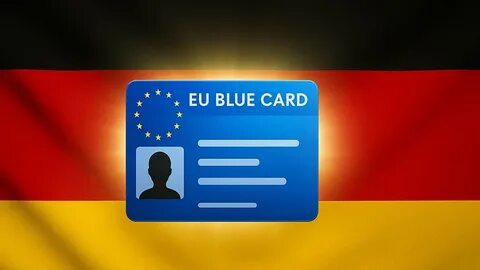
- EU Blue Card
- Opportunity Card (Chancenkarte)
- Job Seeker Visa
Let us explain them simply.
1. Skilled Worker Residence Permit (The Most Common Route)
This is the main work visa for most foreign workers.
It is for people who:
- Have a recognized qualification (degree or vocational training)
- Have a job offer from Germany
- Will work in a job related to their qualification
Typical Jobs That Use This Visa
- Electricians and mechanics
- Technicians and machine operators
- Nurses and healthcare workers
- IT specialists
- Construction workers
- Engineers
This route is explained in detail on Make it in Germany and is the most realistic option for many Nigerians, Ghanaians, and Africans.
2. EU Blue Card (The Premium Route)
This is for highly skilled professionals.
It is for people who:
- Have a university degree
- Have a well-paying job offer in Germany
- Meet the minimum salary threshold
Why the EU Blue Card Is Special
- Faster permanent residence
- Easier family reunification
- Stronger legal status in Germany and the EU
If you are in IT, engineering, or technical fields, this is often the best option.
3. Opportunity Card (Chancenkarte)
This is a points-based job search visa.
It allows you to:
- Come to Germany without a job offer
- Stay and look for work
- Work part-time while searching
You get points for:
- Education
- Work experience
- Language skills
- Age
- Connection to Germany
The Opportunity Card is useful for people who:
- Have skills
- Have some savings
- Want to search for jobs from inside Germany
4. Job Seeker Visa (The Older Version)
This is similar to the Opportunity Card but more limited.
It allows you to:
- Stay in Germany for up to 6 months
- Look for a job
- Not work full-time during the search
Quick Comparison Table: Which Visa Fits You?
| Visa Type | Job Offer Needed? | Who It’s For | Difficulty | Long-Term Future |
|---|---|---|---|---|
| Skilled Worker Permit | Yes | Skilled workers | Medium | Very strong |
| EU Blue Card | Yes | Degree holders with high salary | Medium–High | Excellent |
| Opportunity Card | No | Job seekers with points | Medium | Good |
| Job Seeker Visa | No | Short-term job search | Medium | Limited |
For most Africans, the Skilled Worker Permit and EU Blue Card are the most reliable routes.
General Germany Work Visa Requirements (For All Africans)
No matter your country, these are the core requirements.
You Must Have:
- A valid passport
- A job offer or contract (except for Opportunity Card)
- A recognized qualification
- Proof of health insurance
- A completed visa application form
- Biometric passport photos
- A CV and motivation letter
- Proof of accommodation or address in Germany
You May Also Need:
- Proof of language skills (German or English)
- Police clearance certificate
- Proof of work experience
- Proof of financial means (for job search routes)
The official and most up-to-date rules are published by the German government through the Federal Foreign Office visa portal.
The Most Important Step: Qualification Recognition
This is where many Africans fail or get delayed.
Germany wants to know:
“Is your qualification equivalent to a German one?”
If Your Job Is Regulated
You must get recognition before applying.
Examples:
- Nurses
- Doctors
- Engineers
- Many technical trades
If Your Job Is Not Regulated
Recognition is still often required, but the process may be simpler.
You can check and start this process through the systems explained on Make it in Germany.
How Long Recognition Takes
- Simple cases: 2–6 weeks
- Complex cases: 3–6 months
This is why you must start early.
Salary Requirements: How Much Must You Earn?
For Skilled Worker Permit
There is no fixed national minimum salary.
But:
- Your salary must match German standards
- It must be enough to support you
- It must fit your qualification level
If your salary is too low, your visa can be refused.
For EU Blue Card
There is a fixed minimum salary threshold.
It changes every year.
But it is usually around:
- €45,000+ per year for most jobs
- Lower for shortage occupations like IT and engineering
Proof of Funds: When Do You Need It?
- If you have a job contract, you usually do not need a blocked account.
- If you apply for Opportunity Card or Job Seeker Visa, you must show proof of funds.
This can be:
- A blocked account
- A formal obligation letter
- Or other accepted proof
Step-by-Step Application Process (From Africa)
Here is the real process:
- Get your qualification recognized
- Find a job or check your points eligibility
- Gather all documents
- Book an appointment at the German embassy in your country
- Submit application and biometrics
- Wait for processing
- Receive decision
- Travel to Germany
- Register address and apply for residence permit
Processing Time: How Long Will It Take?
This depends on:
- Your country
- Your embassy
- Your documents
- Your profession
But realistic timelines:
| Visa Type | Typical Processing Time |
|---|---|
| Skilled Worker Permit | 8 – 16 weeks |
| EU Blue Card | 4 – 12 weeks |
| Opportunity Card | 6 – 12 weeks |
| Job Seeker Visa | 6 – 12 weeks |
Remember:
Preparation time is often longer than embassy processing time.
The Real Cost: What You Should Budget
Many people only think about the visa fee.
That is a mistake.
Typical Expenses
| Item | Estimated Cost |
|---|---|
| Visa fee | €75 |
| Document translations | €100 – €400 |
| Qualification recognition | €100 – €600 |
| Flight | €500 – €1,200 |
| Initial accommodation | €300 – €1,000 |
| Insurance | €50 – €150 |
| Blocked account (if needed) | €11,000+ |
Realistic Total Budget
Most people should plan €1,200 – €3,000 before travel.
Special Notes for Nigerians and Ghanaians
The requirements are the same as for other Africans.
But:
- Embassy appointment waiting times can be longer.
- Document verification can be stricter.
- You must ensure all documents are genuine and complete.
Using fake documents can lead to:
- Rejection
- Travel bans
- Future visa problems
Common Reasons Germany Work Visas Are Rejected
Avoid these mistakes:
- Incomplete documents
- Unrecognized qualifications
- Job not related to your training
- Salary too low
- Fake or unverifiable documents
- Weak or inconsistent information
Germany is strict, but fair.
If your file is strong, approval is very possible.
How to Greatly Increase Your Chances
Use this checklist:
- Start qualification recognition early
- Learn basic German
- Use professional CV format
- Apply only for jobs related to your skills
- Use certified translations
- Double-check every document
About Pictures in Your Blog Post
When you publish this article, you can add:
- A header image: “African professionals working in Germany”
- A diagram: “Application process flow”
- An infographic: “Documents checklist”
These improve:
- Understanding
- Mobile reading experience
- Time spent on page
Is Germany Really Worth It?
Let us be honest.
Germany is not perfect.
- The language is difficult.
- The weather is cold.
- The bureaucracy is heavy.
But Germany offers:
- Strong job security
- Good salaries
- Social protection
- Permanent residence
- Citizenship after some years
For many Africans, it is a life-changing opportunity.
Final Thoughts: Germany Is Open, But Only for the Prepared
Germany is not running a lottery.
It is running a skills-based immigration system.
If you prepare well:
- Your chances are good.
- Your future can be stable.
If you rush or try shortcuts:
- You will lose time.
- You may lose the chance completely.
Plan early. Follow the rules. Be patient.
Frequently Asked Questions (FAQs)
1. Can Nigerians and Ghanaians apply for Germany work visa?
Yes. Nigerians, Ghanaians, and all Africans can apply if they meet the requirements.
2. Do I need a job offer before applying?
Yes, for Skilled Worker and EU Blue Card. No, for Opportunity Card and Job Seeker Visa.
3. Is German language mandatory?
Not always. But basic German greatly improves your chances and is required for many jobs.
4. Can I bring my family?
Yes. With a work permit or EU Blue Card, family reunification is allowed.
5. Can I get permanent residence in Germany?
Yes. After some years of legal work, you can apply for permanent residence and later citizenship.