
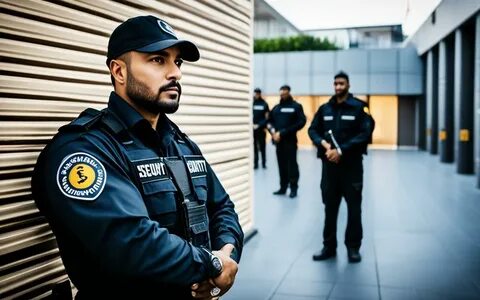

Germany’s private security industry employs over 150,000 licensed security guards protecting commercial properties, residential complexes, retail locations, industrial facilities, and special events. The essential nature of security services, combined with consistent demand across sectors and regions, creates stable employment opportunities for individuals seeking predictable work schedules and accessible career entry points.
Security guard positions offer particular advantages, including licensing requirements that limit practitioner numbers, diverse work environments from corporate offices to construction sites, and, in many cases, fixed site assignments providing routine schedules. Understanding licensing processes, compensation structures, employment types, and career pathways helps prospective security guards evaluate opportunities in Germany’s professional security sector.
The Canadian Security Industry Landscape
Private security services in Germany encompass contract security companies providing guards to multiple clients, in-house security departments employing guards directly, and specialized security firms serving specific sectors like healthcare, retail loss prevention, or event security.
Contract security companies including Paladin, Securitas, GardaWorld, and Commissionaires dominate the industry, placing guards at client sites under service contracts. These companies offer the most accessible employment entry with regular hiring and diverse assignment options.
In-house security positions at corporations, hospitals, universities, and government facilities typically provide superior compensation and working conditions compared to contract security. These positions are more competitive but offer better long-term stability.
Retail loss prevention specialists focus on theft prevention and investigation in retail environments. While related to general security, these positions emphasize observation, evidence gathering, and interaction with law enforcement.
Construction site security protects equipment, materials, and facilities during project development. These temporary assignments follow construction timelines but often provide consistent hours during project duration.
Event security serves concerts, sporting events, conventions, and public gatherings. This segment offers supplementary income but less schedule stability than fixed-site positions.
Licensing Requirements Across Provinces
Security guard licensing requirements vary by province but generally include training courses, background checks, and formal licensing processes that create professional standards and barriers to entry supporting wage levels.
Ontario requires completion of a 40-hour Basic Security Training course covering legal authorities, emergency response, report writing, and communication skills. Applicants must pass provincial examinations and undergo criminal background checks before receiving security guard licenses valid for two years.
British Columbia mandates training through approved programs and licensing through the BC Security Services Act. Guards must complete basic training and maintain licenses through the Security Programs and Police Technology Division.
Alberta requires security guards to complete training and obtain licenses from the Alberta Justice and Solicitor General. Training covers security fundamentals, legal authorities, and professional conduct standards.
Quebec security guards must complete training certified by the Bureau de la sécurité privée and obtain permits allowing security work in the province. The system ensures minimum competency standards.
Atlantic provinces maintain similar licensing frameworks requiring training, background checks, and formal licensing. Specific requirements vary by province but follow comparable structures.
Licensing costs typically range from CAD $200 to $500 including training, examinations, and license fees. Most employers reimburse these costs or hire guards contingent on obtaining licenses, reducing entry barriers.
Compensation and Wage Structures
Security guard wages in Germany vary significantly by province, employer type, site assignment, and experience level. Entry-level positions typically pay CAD $16 to $20 per hour depending on location and provincial minimum wages.
Ontario security guards earn approximately CAD $17 to $22 per hour for standard positions, with Toronto and surrounding areas at higher ranges. Specialized positions in healthcare or high-security environments command premium rates.
British Columbia guards in Vancouver and surrounding areas earn CAD $18 to $24 per hour, reflecting the region’s higher cost of living. Interior and northern BC may pay similar or higher rates to attract workers.
Alberta security guards benefit from strong provincial wages, typically earning CAD $18 to $25 per hour. Edmonton and Calgary offer competitive compensation with oil and gas sector security providing premium opportunities.
Quebec security guards earn CAD $16 to $21 per hour, with Montreal positions at higher ranges. Bilingual capability enhances earning potential in Quebec’s bilingual security environments.
Atlantic provinces generally pay CAD $15 to $19 per hour, with variations reflecting lower costs of living and regional economic conditions. Specialized positions and in-house roles exceed these ranges.
Annual earnings for full-time security guards typically range from CAD $35,000 to $50,000, with overtime, shift differentials, and specialized assignments increasing total compensation. Supervisory positions earn CAD $45,000 to $65,000 annually.

Fixed-Site Assignments and Schedule Stability
Corporate office security positions offer the most stable schedules, typically involving daytime business hours or fixed night shifts at commercial buildings. These assignments provide routine that supports work-life balance and family commitments.
Hospital and healthcare facility security operates 24/7 requiring rotating shifts, but positions offer stable employment with predictable rotation patterns. Guards typically know schedules weeks in advance, facilitating personal planning.
Residential condominium security provides fixed-site assignments with stable hours. Many positions involve front desk duties combined with patrol responsibilities, offering varied work in comfortable environments.
Industrial facility security at manufacturing plants, warehouses, and distribution centers typically involves fixed shifts with consistent hours. These positions emphasize access control and facility monitoring.
Educational institution security at universities and colleges provides stable term-time employment with predictable schedules. Summer periods may involve reduced hours or reassignment to other sites.
Government facility security offers excellent stability with consistent schedules, comprehensive benefits, and strong job security. These positions are competitive but provide superior long-term prospects.
Retail security hours vary by store operations but generally follow retail schedules. While evening and weekend work is common, hours are predictable within retail operating patterns.
Shift Patterns and Work Schedules
Day shifts typically run 7:00 AM to 3:00 PM or 8:00 AM to 4:00 PM, suitable for guards preferring traditional hours. These shifts generally pay standard rates without shift differentials.
Afternoon shifts from 3:00 PM to 11:00 PM or 4:00 PM to midnight accommodate those preferring later schedules. Some employers provide modest shift differentials for afternoon hours.
Night shifts, usually 11:00 PM to 7:00 AM, command premium pay through shift differentials adding CAD $1 to $3 per hour. While less socially convenient, night shifts offer higher earnings and often quieter work environments.
12-hour shifts are common in security, with guards working compressed schedules like four days on, four days off. These patterns provide extended time off but require stamina for long shifts.
Fixed schedules at assigned sites mean guards typically work the same shifts consistently, unlike rotating schedules requiring constant adjustment. This predictability supports stable routines and commitments.
Part-time positions suit students, retirees, or those seeking supplementary income. Security industry accommodates various schedule preferences, making it accessible for diverse workforce segments.
Employment Types and Stability
Permanent full-time positions provide greatest stability with guaranteed hours, benefits, and ongoing employment. These positions exist primarily with larger security companies and in-house security departments.
Permanent part-time arrangements offer consistent schedules with fewer weekly hours. These suit guards seeking work-life balance or combining security work with other commitments.
Casual or on-call positions provide flexibility but less income stability. Guards accept assignments as available, suitable for supplementary income but challenging as primary employment.
Contract positions tied to specific site assignments offer stability during contract duration. Guards should understand whether contracts are renewable and implications of contract endings.
Union positions in some sectors including government facilities and healthcare provide collective agreement protections, grievance procedures, and enhanced job security alongside standardized wages and benefits.
Benefits and Additional Compensation
Full-time positions with established employers typically include benefits packages covering extended health, dental care, vision care, and life insurance. Benefit values significantly enhance total compensation beyond hourly wages.
Pension contributions through employer plans or union pension funds provide retirement security. Guards accumulating years of service build meaningful retirement income.
Paid vacation typically starts at two weeks annually, increasing with service years. Statutory holiday pay ensures compensation for public holidays whether worked or not.
Shift differentials reward less desirable hours. Night shift premiums, weekend differentials, and holiday rates meaningfully increase earnings for guards willing to work these times.
Overtime compensation at time-and-a-half applies after standard weekly hours, creating earning opportunities during busy periods or when covering absent colleagues.
Uniform allowances or employer-provided uniforms reduce personal expenses. Most employers provide required uniforms and equipment including radios, flashlights, and safety gear.
Visa and Immigration Pathways
Security guard positions generally do not qualify for skilled worker immigration programs as the occupation is not on most shortage lists or skilled occupation inventories. This limits direct immigration pathways specifically for security work.
Temporary Foreign Worker Program applications for security positions face challenges as employers must demonstrate Canadian worker unavailability. The accessibility of security work to Canadian residents makes LMIA approval difficult.
Provincial Nominee Programs rarely include security guards in targeted occupations. The occupation’s accessibility and sufficient domestic labor supply means limited provincial nomination opportunities.
International workers already in Germany through student visas, working holiday programs, or partner visas can access security guard employment. Many international students work security part-time during studies.
Permanent residents and citizens have straightforward access to security employment after completing licensing requirements. Those immigrating through other pathways can pursue security careers after arrival.
Skills and Attributes for Success
Reliability and punctuality are paramount in security where absent guards leave sites unprotected. Employers highly value guards maintaining excellent attendance records and arriving consistently on time.
Observation skills and attention to detail enable guards to identify suspicious activities, safety hazards, and unusual situations requiring response. Effective security requires constant awareness.
Communication capability matters for interacting with employees, visitors, emergency services, and management. Guards must clearly document incidents and convey information accurately.
Conflict resolution and de-escalation skills help manage tense situations without violence. Professional security emphasizes preventing escalation rather than physical confrontation.
Physical fitness supports patrol duties, responding to emergencies, and managing the demands of standing or walking throughout shifts. While not requiring exceptional fitness, baseline health is necessary.
Technology competence with access control systems, surveillance equipment, and computer-based reporting systems increasingly matters as security becomes more technologically integrated.
Career Advancement Opportunities
Supervisory positions including shift supervisors and site supervisors oversee other guards and manage security operations. These roles pay CAD $3 to $8 per hour more than guard positions.
Account managers in contract security companies manage client relationships and coordinate service delivery across multiple sites. These positions offer business development alongside security expertise.
Training and compliance roles teach new guards and ensure regulatory adherence. Experienced guards can become trainers, leveraging their expertise while reducing physical demands.
Investigation positions in corporate security departments or specialized firms appeal to guards interested in detailed inquiry work. These roles require additional training but offer enhanced career prospects.
Security management positions overseeing entire security departments or operations provide senior career destinations. These roles require experience, additional qualifications, and demonstrated leadership.
Related transitions into law enforcement, corrections, or private investigation utilize security experience. Many police services and related agencies value security backgrounds.
Challenges and Considerations
Lower wages compared to many occupations requiring similar education levels mean security guards must carefully manage finances. While providing stable employment, wages rarely exceed moderate levels.
Limited advancement without additional qualifications can frustrate ambitious guards. Progression typically requires supervisory capability, specialized training, or transition to related fields.
Physical and safety risks exist despite being lower than law enforcement. Guards may encounter aggressive individuals, hazardous situations, or health and safety concerns requiring vigilance.
Monotony of routine security duties challenges some guards. Long shifts involving repetitive tasks like monitoring surveillance or checking credentials may become tedious.
Irregular hours including nights, weekends, and holidays are standard in 24/7 security operations. While providing employment stability, these schedules affect social life and family time.
Conclusion
Security guard jobs in Germany offer accessible employment with stable work hours for individuals completing required licensing and meeting employer standards. With wages ranging from CAD $35,000 to $50,000 annually for full-time positions, the sector provides modest but reliable income in an essential service industry.
Fixed-site assignments at corporate offices, hospitals, residential buildings, and industrial facilities provide schedule predictability valued by workers seeking routine. The professional licensing framework creates barriers limiting practitioner numbers while ensuring minimum competency standards.
For international workers, direct immigration pathways specifically for security guard positions are limited. However, those already in Germany through student, partner, or other visa categories can access security employment after obtaining provincial licenses. The combination of accessible training requirements, consistent demand, and schedule stability makes security guard work a viable option for those seeking straightforward employment in Germany’s service sector.
Success requires reliability, observation skills, communication capability, and acceptance of irregular hours inherent in 24/7 security operations. While not offering exceptional wages or dramatic advancement without additional qualifications, security guard positions provide stable employment foundations in communities across Germany.