
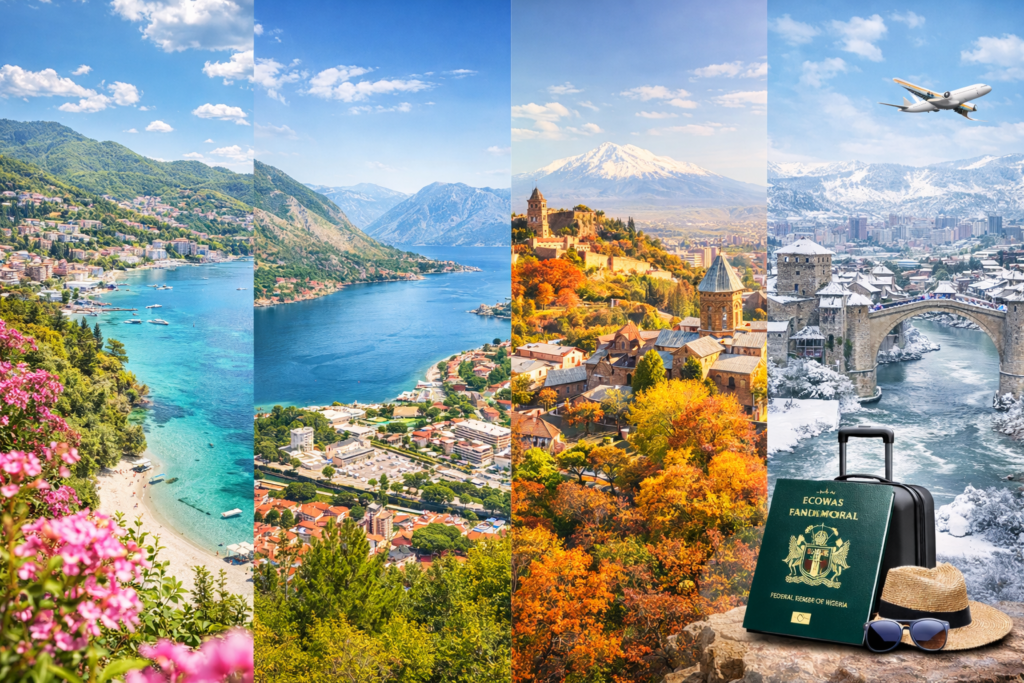

Introduction: Timing Is the Hidden Visa Advantage
Visa-free travel feels liberating.
No embassy queues.
No paperwork anxiety.
Yet many travelers still get disappointed.
The reason is simple.
They choose the wrong time of year.
Visa-free European countries are beautiful.
But seasons change everything.
Weather affects prices.
Crowds shape experiences.
Transport costs rise and fall.
This guide explains the best time of year to visit visa-free European countries and why timing matters more than destination.
You will learn:
- When prices are lowest
- When weather feels comfortable
- When crowds disappear
- When borders feel relaxed
You will also learn when not to go.
This article is written for clarity.
It flows like a conversation.
It respects your time and budget.
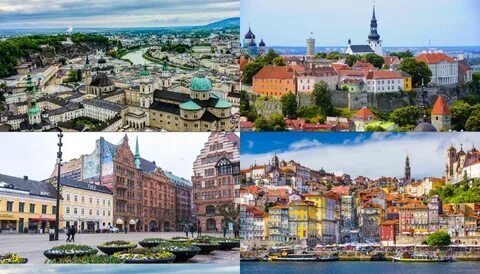 What Counts as Visa-Free Europe?
Visa-free Europe refers to European or trans-European countries that allow entry without applying in advance.
For many African travelers, especially Nigerians, these include:
- Balkan countries
- Caucasus states
- Select Mediterranean nations
Examples often include Albania, Serbia, Montenegro, Bosnia and Herzegovina, Georgia, and Armenia.
Visa-free does not mean rule-free.
You still need:
- A valid passport
- Proof of funds
- Accommodation details
- A return or onward ticket
According to Nigerian passport visa requirements, these entry conditions are standard across visa-free Europe.
Now let us examine how seasons shape your experience.
Why Timing Matters More Than Destination
Two people can visit the same country.
One returns excited.
The other feels disappointed.
Timing explains the difference.
Key factors affected by timing
- Weather comfort
- Flight and hotel prices
- Crowd levels
- Border scrutiny
- Transport availability
Visa-free countries often have fewer tourists than Schengen states.
That advantage disappears in peak season.
Choosing the right month protects your budget and peace.
Europe’s Travel Seasons Explained Simply
Europe has four clear travel seasons.
Each one offers rewards and risks.
The four seasons
- Spring: March to May
- Summer: June to August
- Autumn: September to October
- Winter: November to February
Let us break each one down clearly.
Spring (March–May): The Smart Traveler’s Season
Spring is widely considered the best overall time to visit visa-free European countries.
Temperatures feel gentle.
Cities wake up slowly.
Prices remain reasonable.
Why spring works so well
- Mild weather across regions
- Fewer tourists than summer
- Lower accommodation costs
- Easy movement between cities
Countries like , , and look especially beautiful in spring.
Flowers bloom.
Parks feel alive.
Historic towns feel relaxed.
Downsides to consider
- Mountain areas may still feel cold
- Rain showers appear occasionally
- Some attractions open late
Spring suits travelers who value balance.
Summer (June–August): Beautiful but Brutal on Budgets
Summer brings sunshine.
It also brings crowds.
This season attracts global tourists.
Prices rise fast.
Summer advantages
- Long daylight hours
- Beach towns feel vibrant
- Festivals and events peak
Destinations like and become lively.
Summer disadvantages
- High flight prices
- Expensive hotels
- Crowded transport
- Strong border questioning
For visa-free travelers, summer increases entry scrutiny.
Border officers expect:
- Clear travel plans
- Strong financial proof
- Confirmed accommodation
Summer works best for travelers with flexible budgets.
Autumn (September–October): Calm, Color, and Clarity
Autumn is often overlooked.
That is a mistake.
It offers calm beauty and lower stress.
Why autumn is powerful
- Cooler temperatures
- Fewer tourists
- Lower hotel prices
- Easier border entry
Cities like feel welcoming during autumn.
Cafés remain open.
Tour groups shrink.
Local life feels authentic.
Autumn limitations
- Shorter daylight hours
- Some beach resorts close
- Weather changes quickly
Autumn suits travelers who enjoy quiet exploration.
Winter (November–February): Cheap but Challenging
Winter is the least popular season.
It is also the cheapest.
Flights drop sharply.
Hotels offer discounts.
Winter benefits
- Very low accommodation costs
- Empty tourist sites
- Strong cultural atmosphere
Challenges
- Cold temperatures
- Snow in some regions
- Limited transport schedules
- Language barriers increase
Winter works best for:
- City breaks
- Cultural travel
- Budget-focused trips
It is less ideal for first-time visitors.
Best Season by Travel Goal
Not every traveler wants the same experience.
Here is a simple comparison.
| Travel Goal | Best Season |
|---|---|
| Budget travel | Spring or Winter |
| Beach holidays | Early Summer |
| Cultural exploration | Spring or Autumn |
| Photography | Autumn |
| Long stays | Spring |
| First-time travel | Spring |
Spring consistently wins across categories.
Country-Specific Timing Insights
Different countries shine in different seasons.
Albania
- Best time: April to June
- Avoid: August crowds
Georgia
- Best time: May and September
- Avoid: January cold
Montenegro
- Best time: May and early June
- Avoid: July peak prices
Serbia
- Best time: April and October
- Avoid: February snow
Bosnia
- Best time: May to October
- Avoid: January extremes
Armenia
- Best time: May and September
- Avoid: Deep winter
Each country rewards timing awareness.
Border Experience: Seasons Matter
Visa-free entry still involves questioning.
Season influences officer behavior.
Peak seasons bring:
- Longer questioning
- Higher refusal risk
- Stronger proof demands
Off-peak seasons bring:
- Faster processing
- Friendlier checks
- Relaxed atmosphere
According to IATA Travel Centre, border decisions rely on season-specific risk assessment.
Traveling in spring or autumn improves first impressions.
Weather Comfort and Health Considerations
Weather affects energy and enjoyment.
Hot summers cause fatigue.
Cold winters limit movement.
Comfortable temperature range
- 15°C to 25°C feels ideal
- Spring and autumn dominate this range
Travel comfort improves mobility, mood, and safety.
Cost Breakdown by Season
Prices vary sharply.
General cost trends
- Spring: Medium
- Summer: High
- Autumn: Medium-Low
- Winter: Low
Flight savings in off-peak seasons can fund longer stays.
Common Timing Mistakes Travelers Make
Many travelers choose months emotionally.
That leads to regret.
Common errors
- Visiting in August without budget planning
- Choosing winter without weather preparation
- Ignoring local holidays
- Assuming all Europe feels the same
Good timing is strategic, not accidental.
Mobile Travel Tips by Season
Mobile users need speed and clarity.
Seasonal mobile planning tips
- Use offline maps in winter
- Book transport early in summer
- Track weather apps in spring
- Confirm schedules in autumn
Smart planning reduces friction.
Should You Avoid Any Season Completely?
No season is useless.
But some are risky for beginners.
Beginners should avoid
- Peak summer crowds
- Harsh winter conditions
Spring remains the safest choice.
Final Verdict: The Best Time Overall
If you want one clear answer, here it is.
Late spring and early autumn offer the best balance.
They provide:
- Comfort
- Affordability
- Safety
- Enjoyment
Visa-free European countries reward travelers who respect timing.
Choose wisely.
Travel calmly.
Enjoy deeply.
Conclusion: Time Is Your Real Travel Passport
Visa-free access opens doors.
Timing decides what you see behind them.
The best time of year to visit visa-free European countries is not about trends.
It is about preparation.
When you choose the right season:
- Borders feel easier
- Costs feel manageable
- Experiences feel richer
Travel smart.
Let timing work for you.