
Travel insurance is one of the most important requirements for visa-free Europe trips, even though no visa is stamped in your passport. It protects your health, your money, and sometimes your right to enter Europe at all.
This expanded guide explains everything clearly and in detail.
What travel insurance Europe actually expects.
Which coverage truly matters.
Where travelers make costly mistakes.
And how to choose the best travel insurance for visa-free Europe trips with confidence.
Why Travel Insurance Is Non-Negotiable for Visa-Free Europe
Visa-free travel does not mean Europe takes responsibility for you.
When you enter Europe without a visa, you are telling border authorities one thing:
“I can fully take care of myself while I’m here.”
Travel insurance proves that statement.
Without it, you risk:
- Paying full medical bills out of pocket
- Being delayed or questioned at the border
- Ending your trip early due to emergencies
Insurance is not about fear.
It is about preparedness.
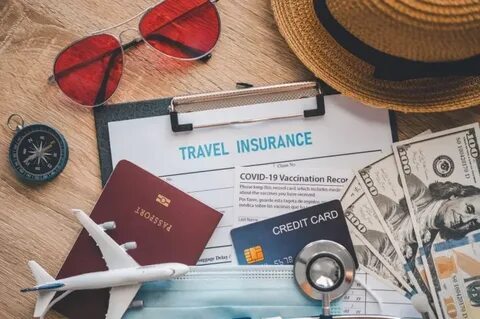
Is Travel Insurance Actually Required for Visa-Free Europe?
Officially, visa-free travelers must meet Schengen entry conditions. These include proof that you can handle medical emergencies and repatriation costs.
The European Commission clearly outlines these expectations under Schengen Area entry requirements, which apply even to travelers who do not need a visa
Some travelers are asked for insurance at the border.
Some are not.
But being asked without having it is a serious risk.
What “Good” Travel Insurance Really Means
Not all travel insurance is equal.
A good policy is not defined by price.
It is defined by coverage quality.
At minimum, your policy should include:
- Emergency medical treatment
- Hospitalization
- Medical evacuation
- Repatriation to your home country
Anything less is weak protection.
The Minimum Insurance Coverage Europe Expects
For visa-free Europe trips, your insurance should offer:
- At least €30,000 in medical coverage
- Coverage valid in all Schengen countries
- Protection for your entire stay
Lower coverage can raise red flags.
Why Medical Costs in Europe Can Be Shockingly High
Europe has world-class healthcare.
But visitors pay full price.
Typical uninsured costs include:
- Emergency room visit: €200–€600
- Overnight hospital stay: €1,000+
- Medical evacuation: €10,000–€30,000
One accident can erase your entire travel budget.
Visa-Free Travelers Pay Medical Bills Immediately
There is no grace period.
Hospitals will:
- Treat you first
- Request payment or insurance proof
Insurance turns panic into paperwork.
Single-Trip vs Multi-Trip Travel Insurance
Your travel frequency determines the best option.
Single-Trip Insurance
Best for:
- One-off vacations
- Short stays
Pros:
- Cheaper upfront
- Simple coverage
Cons:
- Not reusable
Multi-Trip (Annual) Insurance
Best for:
- Frequent travelers
- Digital nomads
- Business travelers
Pros:
- Covers multiple trips
- Better long-term value
Cons:
- Higher initial cost
Short Stays vs Long Stays: Why Duration Matters
Length of stay changes risk.
Short stays need:
- Emergency medical coverage
- Trip interruption protection
Long stays need:
- Higher medical limits
- Extended evacuation coverage
Under-insuring long trips is dangerous.
Budget Insurance vs Comprehensive Insurance
This choice defines your experience.
Budget Insurance
- Low premium
- Basic medical coverage
- Many exclusions
Comprehensive Insurance
- Higher cost
- Wider protection
- Fewer claim disputes
Cheap insurance often becomes expensive later.
What Travel Insurance Usually Does NOT Cover
This is where travelers get caught off guard.
Common exclusions include:
- Pre-existing medical conditions
- Injuries from alcohol or drugs
- Extreme sports
- Ignoring medical advice
Always read exclusions carefully.
Pre-Existing Medical Conditions: A Critical Detail
Conditions like:
- Asthma
- Diabetes
- Heart issues
Must be declared.
If not declared, claims may be denied.
Adventure Activities in Europe Need Special Coverage
Europe offers skiing, hiking, diving, and more.
Standard insurance often excludes:
- Skiing
- Snowboarding
- Paragliding
Add adventure coverage if needed.
Flight Delays, Cancellations, and Lost Baggage
Medical coverage is essential.
Logistics coverage saves sanity.
Good policies include:
- Trip cancellation protection
- Baggage loss compensation
- Delay reimbursements
These extras matter more than you think.
Travel Insurance Comparison at a Glance
| Feature | Basic Policy | Mid-Range | Comprehensive |
|---|---|---|---|
| Medical coverage | Low | Adequate | High |
| Evacuation | Limited | Included | Included |
| Trip cancellation | No | Optional | Included |
| Baggage protection | No | Limited | Full |
| Best for | Tight budgets | Average trips | Peace of mind |
Value beats the cheapest price.
Digital Proof vs Printed Insurance Certificates
Carry both.
Best practice:
- PDF on your phone
- Email backup
- Printed copy
Technology fails. Paper does not.
How Border Officers View Travel Insurance
Insurance tells officers:
- You are financially responsible
- You can handle emergencies
- You will not burden public systems
It strengthens your entire travel profile.
Insurance Does Not Replace Proof of Funds
You still need:
- Sufficient money
- Accommodation proof
- Return or onward ticket
Insurance complements, not replaces, these documents.
Why Credit Card Travel Insurance Is Often Insufficient
Many cards advertise “free” insurance.
Common problems:
- Low coverage limits
- Short coverage duration
- Complex claim processes
Never assume card insurance is enough.
When You Should Buy Travel Insurance
Earlier is better.
Buying early:
- Covers cancellations
- Protects bookings
- Reduces stress
Last-minute insurance limits benefits.
Make Sure Insurance Covers Your Entire Trip
Coverage must include:
- Arrival day
- Departure day
- Transit days
Even one uncovered day is risky.
Travel Insurance for Families vs Solo Travelers
Families need:
- Higher medical limits
- Child-specific coverage
Solo travelers need:
- Strong emergency assistance
- Reliable evacuation support
Different travelers, different needs.
Emergency Assistance Services Matter More Than You Think
Insurance is more than money.
Good insurers provide:
- 24/7 emergency hotlines
- Hospital coordination
- Language assistance
This support saves lives.
Claims Experience: The Real Test of Insurance
The best policy is useless if claims fail.
Look for:
- Clear claim rules
- Transparent documentation
- Reasonable processing times
Fine print matters.
Travel Insurance for Digital Nomads and Long Stays
Longer stays increase exposure.
Nomads need:
- Long-term medical cover
- Flexible country coverage
- Easy renewals
Tourist insurance often falls short.
Common Travel Insurance Mistakes
Avoid these:
- Buying the cheapest policy blindly
- Ignoring exclusions
- Under-estimating trip length
- Forgetting activity coverage
Mistakes cost more than premiums.
Health and Safety Guidance for International Travel
Global health authorities strongly recommend travel insurance for international trips, emphasizing emergency care and evacuation coverage. This guidance is reinforced by the World Health Organization’s travel health recommendations
Preparation saves lives and money.
The Psychological Value of Travel Insurance
Beyond finances, insurance provides:
- Peace of mind
- Confidence at borders
- Calm during disruptions
Stress ruins trips faster than costs.
How Much Does Good Travel Insurance Cost?
Typical costs:
- Short Europe trip: $20–$60
- Two-week stay: $40–$120
- Annual multi-trip: $120–$300
Small cost. Massive protection.
Is It Ever Safe to Travel Without Insurance?
No.
Not because Europe is unsafe.
But because accidents are unpredictable.
Insurance is not pessimism.
It is responsibility.
Final Checklist Before You Buy
Confirm that your policy:
- Covers €30,000+ medical costs
- Includes evacuation and repatriation
- Is valid across Europe
- Covers your entire stay
If not, keep searching.
Conclusion: The Best Travel Insurance Protects Your Freedom
Visa-free travel to Europe is a privilege.
Travel insurance protects that privilege.
The right policy:
- Shields your finances
- Strengthens border entry
- Saves your trip when things go wrong
Choose wisely.
Travel confidently.
And let insurance work quietly in the background while you enjoy Europe.