
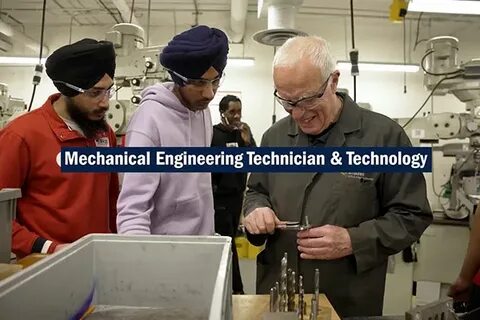

Germany’s engineering technician workforce forms a critical bridge between engineers and skilled trades, providing technical expertise essential to the country’s manufacturing strength and industrial competitiveness. Approximately 400,000 engineering technicians work across mechanical, electrical, automotive, industrial, and quality assurance roles, supporting design, production, testing, and maintenance operations.
Engineering technicians in Germany occupy respected professional positions with clear career trajectories, competitive compensation, and structured qualification frameworks. The combination of persistent skills shortages, Germany’s technical education system, and international recruitment initiatives creates opportunities for qualified foreign technicians seeking careers in Europe’s largest industrial economy.
The German Engineering Technician Landscape
Engineering technicians in Germany, known as Techniker, hold vocational qualifications between skilled workers and graduate engineers. The role requires specialized technical training combining theoretical knowledge with practical application.
Manufacturing industries including automotive, machinery, electronics, and precision engineering employ the majority of engineering technicians. Companies like Volkswagen, Siemens, Bosch, and thousands of medium-sized manufacturers rely on technician expertise.
Maintenance and service sectors require technicians for equipment installation, troubleshooting, preventive maintenance, and repair across industrial facilities, power plants, and infrastructure.
Quality assurance and testing positions employ technicians conducting product testing, process monitoring, documentation, and compliance verification ensuring manufacturing standards.
Technical sales and application engineering roles leverage technician backgrounds supporting customers with product selection, technical specifications, and problem-solving.
Research and development departments utilize technicians for prototyping, testing, laboratory work, and supporting engineering design teams.
 Engineering Technician Specializations
Mechanical engineering technicians work with machinery, production equipment, hydraulics, and mechanical systems. They support machine design, conduct testing, troubleshoot mechanical problems, and coordinate maintenance. Salaries typically range from €40,000 to €60,000 annually depending on experience and responsibility.
Electrical engineering technicians specialize in electrical systems, control technology, automation, and electronics. These technicians work on industrial control systems, power distribution, and electrical equipment. Compensation ranges from €42,000 to €65,000 for experienced professionals.
Mechatronics technicians combine mechanical, electrical, and computer systems expertise, supporting automated manufacturing, robotics, and integrated systems. This versatile specialization commands €45,000 to €68,000 given broad skill requirements.
Automotive engineering technicians focus on vehicle systems, powertrains, testing, and development in automotive manufacturing and supply industries. Salaries range from €40,000 to €62,000 in Germany’s substantial automotive sector.
Quality assurance technicians conduct testing, monitor processes, document results, and ensure products meet specifications and regulatory requirements. These positions pay €38,000 to €58,000 depending on industry and responsibility.
Chemical and process engineering technicians work in pharmaceutical, chemical, and processing industries managing production processes, conducting tests, and optimizing operations. Compensation typically ranges from €40,000 to €62,000.
Qualification Requirements and Recognition
German engineering technician qualifications typically require completing vocational training (Ausbildung) in a technical trade, followed by advanced training to Techniker qualification through technical colleges (Fachschule). This pathway takes 5-6 years total including practical training.
State-certified technician credentials (Staatlich geprüfter Techniker) represent recognized standards across industries. Technicians holding these qualifications demonstrate comprehensive technical competency.
International technician qualifications require recognition through German authorities assessing equivalency with German standards. The process evaluates training duration, curriculum content, practical components, and theoretical knowledge.
Applicants with technical diplomas or associate degrees from other countries may achieve recognition, though requirements vary by origin country and specific qualifications. Some applicants need supplementary training or examinations.
Bachelor’s degrees in engineering technology or similar fields often exceed technician qualification levels, potentially qualifying holders for engineer rather than technician positions, though recognition processes still apply.
Industry-specific certifications in areas like welding inspection, non-destructive testing, or quality management supplement core technician qualifications and enhance specialization.
Compensation and Career Earnings
Entry-level engineering technicians with fresh qualifications typically earn €35,000 to €45,000 annually, with variations by industry, company size, and location. Southern German states generally offer higher starting salaries.
Experienced technicians with 5-10 years in role earn €45,000 to €65,000, with specialized skills, supervisory responsibilities, or critical roles commanding upper ranges.
Senior technicians and technical specialists with 10+ years experience and deep expertise can reach €60,000 to €75,000 or more, particularly in automotive, aerospace, or specialized industries.
Technical team leads overseeing other technicians or coordinating technical activities earn €55,000 to €75,000 depending on team size and responsibility scope.
Industry variations affect compensation significantly. Automotive and chemical industries typically pay premium rates, while smaller manufacturing firms may offer more modest but still competitive salaries.
Regional differences reflect cost of living and industrial concentration. Bavaria and Baden-Württemberg generally offer highest technician salaries, while eastern German states pay somewhat less.
Benefits including pension contributions, vacation time (25-30 days annually), health insurance, and performance bonuses add substantial value beyond base salaries.
Career Growth Pathways
Vertical progression sees technicians advance from junior positions to experienced technician roles, then senior technician or specialist positions with enhanced technical responsibility and compensation.
Team leadership roles including technical team leads, shift supervisors, or group leaders provide management experience while maintaining technical focus. These positions bridge technical work and people management.
Technical specialist pathways allow deep expertise development in specific technologies, processes, or products. Specialists become go-to resources commanding respect and premium compensation.
Quality management and process optimization roles leverage technician experience in structured improvement methodologies. Six Sigma certifications and lean manufacturing expertise enhance these pathways.
Technical sales and customer support positions suit technicians who enjoy client interaction and application problem-solving. These roles often include commission opportunities beyond base salary.
Further education including part-time bachelor’s degrees in engineering allows technicians to transition into graduate engineer positions with substantially enhanced long-term earning potential.
Some technicians transition into skilled trades master positions (Meister) representing alternative advanced qualifications in German technical hierarchy.
Visa and Immigration Pathways
The Skilled Workers Immigration Act facilitates international technician recruitment for positions matching recognized vocational qualifications. Engineering technicians with recognized credentials can access work visas.
Recognition of foreign vocational qualifications through German authorities (typically IHK or HWK chambers) establishes equivalency enabling visa applications and employment.
The EU Blue Card primarily targets university graduates, though highly experienced technicians with substantial salaries may occasionally qualify. This pathway more commonly serves engineers than technicians.
Job seeker visas allow qualified technicians to enter Germany for six months to search for employment, attend interviews, and complete recognition processes before securing work authorization.
Employer sponsorship through standard work permits enables companies to hire foreign technicians, requiring employers to support visa applications and often provide integration assistance.
The shortage of technical workers in Germany means qualified engineering technicians find favorable immigration consideration, particularly in fields experiencing acute shortages.
Language Requirements
German language proficiency is generally essential for engineering technician roles given technical documentation, team communication, and safety requirements conducted in German.
B2 level German represents a practical minimum for most technician positions, enabling workplace communication, understanding technical instructions, and participating in team activities.
Technical German vocabulary presents specific challenges with compound terms and specialized terminology. Focused study of technical language proves valuable for international technicians.
Some international companies or research facilities operate partially in English, though even these environments typically require functional German for daily workplace interaction.
Language improvement during employment enhances career prospects and advancement opportunities. Many successful international technicians arrive with basic German and develop proficiency through immersion.
Employers increasingly provide German language support recognizing that technical competence may precede language mastery. Some companies offer language courses or dedicated language training time.
Finding Engineering Technician Employment
Online job platforms including Indeed Germany, StepStone, and specialized technical job boards list engineering technician positions across regions and industries.
Recruitment agencies focusing on technical placements connect qualified technicians with employers. Agencies understand German qualification systems and can guide international applicants through processes.
Direct applications to major manufacturing companies, automotive suppliers, and industrial equipment producers prove effective. Many organizations maintain dedicated international recruitment programs.
Professional networks including engineering associations and technical communities facilitate connections with potential employers and industry contacts.
German employment agency services (Arbeitsagentur) provide job placement assistance including for international workers with work authorization.
Company relocation packages from larger employers sometimes include support with qualification recognition, language training, and settlement assistance for international hires.
Work Environment and Culture
German engineering workplaces emphasize precision, quality, systematic approaches, and adherence to standards. Technicians work within structured environments valuing thoroughness over speed.
Work-life balance is respected with standard 35-40 hour weeks depending on industry agreements. Overtime exists but is typically compensated or credited rather than expected as unpaid standard practice.
Safety culture is paramount in German industrial environments, with comprehensive training, strict protocols, and serious treatment of safety violations. Technicians bear safety responsibilities within their work areas.
Hierarchy exists but is less pronounced than in some cultures, with technicians able to raise technical concerns and contribute input regardless of position. Expertise commands respect.
Documentation standards are high, requiring detailed record-keeping, precise measurements, and thorough reporting. Technicians must embrace systematic documentation as core responsibility.
Continuous improvement through Kaizen, lean manufacturing, or structured problem-solving represents embedded cultural approach. Technicians actively participate in improvement initiatives.
Skills Development and Training
Continuing education is expected and often employer-supported. Technicians pursue additional certifications, attend technical seminars, and update knowledge of evolving technologies.
German companies invest substantially in workforce training, viewing skilled technicians as valuable assets worthy of development investment.
Industry 4.0 skills including digital systems, data analysis, and automation technologies increasingly supplement traditional mechanical and electrical competencies.
Cross-training in multiple specializations enhances versatility and career options. Technicians who develop broad capabilities across related technical areas increase value.
Soft skills including communication, teamwork, and problem-solving receive attention alongside technical competencies, recognizing that effective technicians combine technical and interpersonal capabilities.
Regional Opportunities
Bavaria, particularly Munich region, offers extensive opportunities in automotive, aerospace, and advanced manufacturing with competitive compensation reflecting high living costs.
Baden-Württemberg around Stuttgart hosts automotive manufacturers and engineering companies creating substantial technician demand with strong salaries.
North Rhine-Westphalia’s industrial base particularly around Ruhr region maintains traditional manufacturing requiring technical workforces.
Saxony’s automotive clusters around Dresden and Leipzig create growing technician opportunities with more affordable living costs than southern states.
Rural and smaller city opportunities exist throughout Germany, often offering good work-life balance, affordable housing, and tight-knit community environments.
Challenges for International Technicians
Qualification recognition processes can be lengthy, complex, and require substantial documentation. Professional assistance or employer support proves valuable navigating bureaucracy.
Cultural workplace adjustment extends beyond language to include communication styles, work approaches, and social norms requiring adaptation time.
Housing markets in industrial centers can be competitive and expensive, particularly in Munich, Stuttgart, and Frankfurt regions where many opportunities exist.
Family considerations including partner employment and children’s education affect relocation decisions. Germany’s systems support families but require understanding and navigation.
Initial salary negotiations may disappoint those comparing to inflated expectations, though total compensation including benefits, vacation, and work-life balance provides substantial value.
Industry Outlook
Industry 4.0 transformation creates demand for technicians comfortable with digital systems, automation, and data-driven manufacturing while maintaining traditional technical skills.
Renewable energy transition generates opportunities for technicians in wind power, solar installations, and sustainable manufacturing technologies.
Aging technical workforce with substantial retirements over coming decades creates advancement opportunities and sustained recruitment needs.
Reshoring and supply chain localization may expand German manufacturing, potentially increasing technician employment in production and maintenance roles.
Conclusion
Engineering technician jobs in Germany offer international workers access to respected professional positions with salaries ranging from €35,000 entry-level to €75,000 for experienced specialists. The structured qualification framework, clear career progression pathways, and persistent skills shortages create favorable conditions for qualified technicians.
Career growth opportunities span vertical advancement through senior technical roles, lateral movement into related specializations, team leadership positions, and potential transitions into engineering through further education. Germany’s emphasis on technical excellence and continuous workforce development supports long-term career sustainability.
Success requires recognized technical qualifications, functional German language skills, and adaptability to German workplace culture valuing precision, documentation, and systematic approaches. For qualified engineering technicians worldwide seeking European opportunities in manufacturing powerhouse environments with structured career frameworks, Germany provides compelling professional pathways combining technical work, competitive compensation, and quality of life.