
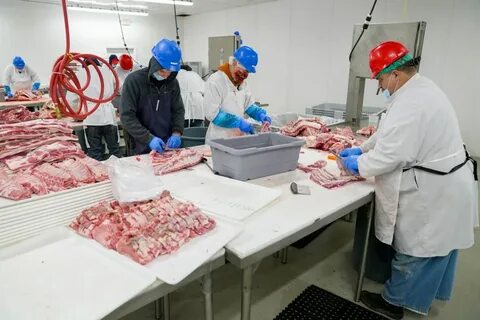

New Zealand’s food processing industry forms a cornerstone of the national economy, with agriculture and food exports representing the country’s largest export sector. The industry employs approximately 130,000 workers across meat processing, dairy manufacturing, seafood processing, fruit and vegetable packing, and beverage production, creating substantial employment opportunities for both domestic and international workers.
Food processing positions typically offer significant overtime opportunities, particularly during seasonal peaks when production volumes surge to handle harvest periods and livestock processing seasons. For workers willing to commit to extended hours during busy periods, total annual earnings can substantially exceed base wages through overtime premiums, making these positions financially attractive despite the physically demanding nature of the work.
The New Zealand Food Processing Sector
New Zealand’s agricultural foundation drives its food processing industry, with facilities located throughout the country processing products for both domestic consumption and international export. The industry ranges from large-scale meat processing plants employing hundreds of workers to smaller specialized facilities producing artisan products.
Meat processing represents the largest segment, with sheep, beef, and deer processing facilities concentrated in rural areas near farming regions. These plants operate seasonally, with peak periods during spring and autumn when livestock numbers reach optimal processing points.
Dairy processing facilities transform milk into butter, cheese, milk powder, and other products. Fonterra and other dairy companies operate processing plants throughout dairy farming regions, particularly in Waikato, Taranaki, Canterbury, and Southland.
Seafood processing occurs in coastal regions, particularly in the South Island and upper North Island. Processing includes fish filleting, shellfish preparation, and value-added seafood products for export markets.
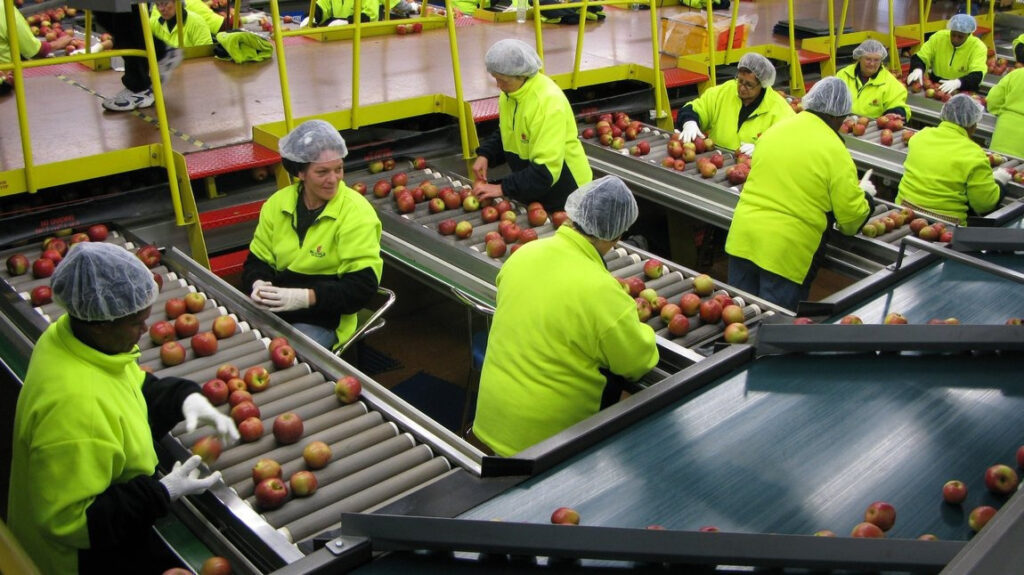
Fruit and vegetable processing facilities operate in growing regions, handling products ranging from kiwifruit and apples to frozen vegetables and canned goods. These facilities experience pronounced seasonal peaks aligned with harvest periods.
Common Food Processing Positions
General production workers perform various tasks including sorting products, operating processing equipment, packaging, and quality checking. These entry-level positions require minimal prior experience and typically pay NZD $22 to $26 per hour depending on location and employer.
Machine operators run specific processing equipment including slicing machines, packaging lines, mixers, and automated systems. While requiring training, most positions provide on-the-job instruction. Operators typically earn NZD $23 to $28 per hour.
Meat processing workers perform specialized tasks including slaughter floor operations, boning, trimming, and packaging. These physically demanding positions pay NZD $24 to $30 per hour, with skilled butchers earning higher rates.
Quality control inspectors monitor product standards, conduct testing, and ensure food safety compliance. These positions suit detail-oriented workers and typically pay NZD $24 to $29 per hour.
Forklift operators move materials, products, and supplies within facilities. Certified operators earn NZD $24 to $28 per hour, with forklift licensing providing employment advantages.
Maintenance workers support equipment operation through cleaning, basic repairs, and preventive maintenance. These positions pay NZD $23 to $27 per hour and often involve irregular hours responding to equipment issues.
Overtime Structures and Earning Potential
New Zealand employment law requires overtime compensation at time-and-a-half rates for hours beyond standard working weeks, typically after 40 hours. Some employment agreements specify higher overtime rates or double-time for certain circumstances.
Seasonal peaks create substantial overtime opportunities when facilities operate extended hours or additional shifts to process harvest volumes. Workers during peak periods may work 50-70 hours weekly, dramatically increasing total earnings beyond base wages.
A production worker earning NZD $24 per hour base rate working 60 hours weekly would gross approximately NZD $1,800 weekly (40 hours at regular rate plus 20 hours at time-and-a-half), compared to NZD $960 for a standard 40-hour week. Over a 12-week peak season, this translates to an additional NZD $10,000 in overtime earnings.
Annual earnings for food processing workers willing to maximize overtime during peak periods can reach NZD $55,000 to $75,000, substantially exceeding base annual earnings of NZD $45,000 to $52,000 for standard hours. This earning potential attracts workers seeking to maximize income through additional hours.
Some facilities offer guaranteed minimum hours during quiet periods plus unlimited overtime during peaks, providing income stability with surge earning opportunities. Others operate as seasonal operations with concentrated employment during specific months.
Seasonal Patterns and Peak Periods
Meat processing peaks occur during spring lamb season (September to December) and autumn when livestock reach optimal processing weights. Workers during these periods can expect consistent overtime availability spanning several months.
Dairy processing maintains relatively consistent year-round operations though seasonal variations affect milk supply volumes. Peak dairy production during spring calving season increases processing activity and overtime opportunities.
Seafood processing seasonality depends on fishing seasons and species. Rock lobster, whitebait, and various fish species have defined seasons creating predictable peaks in processing activity and labor demand.
Kiwifruit packing operates intensively from March through June when harvest occurs. Facilities require substantial workforces during this concentrated period, offering extensive overtime to available workers.
Apple and stone fruit processing runs from February through May, with facilities operating extended hours to handle fresh fruit requiring rapid processing. Workers can secure sustained overtime throughout harvest seasons.
Viticulture and wine production concentrate activity during vintage periods (March to May), though year-round wine production and bottling provide more distributed employment than fresh fruit processing.
Working Conditions and Physical Demands
Food processing environments vary significantly by product type. Meat plants and seafood facilities maintain cold temperatures requiring workers to dress appropriately and adapt to refrigerated conditions throughout shifts.
Production line work involves standing for entire shifts, repetitive motions, and maintaining consistent pace. The physical nature requires stamina and ability to sustain performance over extended periods, particularly during overtime shifts.
Shift work is standard in food processing, with many facilities operating multiple shifts or 24-hour operations. Workers should expect early morning starts, afternoon shifts, night shifts, or rotating schedules depending on facility operations and seniority.
Noise levels in processing facilities can be significant, requiring hearing protection in many areas. Workers must adapt to industrial environments with machinery noise, conveyors, and equipment operation.
Hygiene standards are strictly enforced, with workers required to follow food safety protocols including protective clothing, handwashing procedures, and contamination prevention measures. Compliance with hygiene requirements is non-negotiable in food processing.
Safety protocols address equipment hazards, slippery surfaces, and chemical cleaning agents. Employers provide safety training and protective equipment, though workers must remain vigilant in environments with multiple hazards.
 Visa Pathways for International Workers
The Accredited Employer Work Visa enables international workers to access food processing positions when New Zealand employers cannot fill vacancies with local workers. Many food processing companies maintain accreditation specifically to recruit foreign workers for seasonal and year-round positions.
Recognized Seasonal Employer scheme facilitates recruitment of seasonal workers for horticulture and viticulture, including fruit packing and processing during harvest periods. This program specifically addresses seasonal labor shortages in food processing sectors.
Working Holiday visas allow young workers from participating countries to work in food processing while traveling in New Zealand. These positions suit working holiday makers seeking income to fund travel, with peak season timing often aligning with visitor patterns.
Partner work visas provide unrestricted employment rights for spouses of New Zealand residents, citizens, or eligible visa holders. Foreign workers in this category can access food processing employment without employer sponsorship requirements.
Pathways to residence through food processing work are limited, though some workers transition to skilled positions, establish long-term relationships, or gain qualifications that open residence pathways. Food processing experience alone rarely qualifies for skilled migration categories.
Finding Food Processing Employment
Online job boards including Seek, Trade Me Jobs, and Indeed NZ regularly list food processing vacancies. Seasonal positions appear in higher volumes before peak periods as employers build workforces.
Recruitment agencies specializing in food processing and agricultural labor place workers with processing facilities. These agencies often handle seasonal recruitment for multiple employers and can connect workers with opportunities matching their availability.
Direct contact with processing facilities proves effective, particularly approaching facilities before peak seasons. Many employers prefer direct applications demonstrating initiative and immediate availability.
Regional employment services in areas with significant food processing activity provide job placement assistance. Organizations like MSD Work and Income can connect job seekers with processing employers.
Community networks and word-of-mouth remain important recruitment channels. Current and former food processing workers often share information about employers, working conditions, and upcoming hiring.
Regional Processing Centers
Hawke’s Bay concentrates fruit processing and meat plants, creating substantial seasonal employment during harvest periods. The region experiences high demand for workers from February through May.
Waikato and Taranaki dairy processing provides year-round employment opportunities in multiple facilities. These regions offer more stable employment patterns than seasonal processing centers.
Canterbury hosts significant meat processing operations alongside dairy facilities. The region’s agricultural diversity creates food processing opportunities across multiple sectors.
Bay of Plenty, particularly around Te Puke and Katikati, becomes a major employer during kiwifruit season. Processing facilities and packhouses require large seasonal workforces.
Southland and Otago combine meat processing, dairy operations, and seafood facilities. These southern regions often face labor shortages, creating favorable conditions for workers willing to relocate.
Skills and Attributes for Success
Physical fitness and stamina are essential for sustaining performance during long shifts and extended weeks. Workers must honestly assess their capability to handle physically demanding work before committing to positions.
Reliability and consistent attendance matter immensely in food processing where production schedules depend on full staffing. Employers highly value workers who maintain strong attendance throughout employment periods.
Adaptability to repetitive tasks and maintaining focus during routine work helps workers succeed in production environments. The ability to perform consistent work without losing concentration prevents quality issues and injuries.
Teamwork capability supports production flow where workers depend on colleagues to maintain pace. Positive interactions and cooperation enhance workplace functioning and job satisfaction.
Flexibility regarding hours and shifts increases employment opportunities and overtime access. Workers willing to accept varied schedules and extended hours maximize earning potential.
Accommodation and Living Costs
Some food processing employers provide accommodation for seasonal workers or assist with housing arrangements. This support significantly eases transition for workers relocating for employment.
Regions with significant seasonal processing often experience accommodation shortages during peaks. Workers should secure housing before peak periods or accept employer-provided options when available.
Living costs in processing regions vary significantly. Rural areas generally offer more affordable accommodation than urban centers, though amenities and services may be limited.
Sharing accommodation with other food processing workers is common practice, reducing housing costs while providing social connections. Many seasonal workers form household arrangements with colleagues.
Career Development Opportunities
Progression to machine operator, line leader, or supervisor roles increases earning potential and responsibility. These positions typically require demonstrating reliability, competence, and leadership capability in production roles.
Quality assurance and technical positions offer career advancement for workers pursuing relevant qualifications in food technology or quality management. These roles provide alternatives to production work with enhanced compensation.
Maintenance and engineering pathways exist for workers developing technical skills. Some food processing workers transition into trades or technical roles within facilities.
Permanent positions provide greater security than seasonal work. Workers performing well during seasonal periods often receive offers for year-round employment in facilities with continuous operations.
Challenges and Considerations
Seasonal employment uncertainty affects workers between peak periods. Those relying on food processing income must plan for potential gaps or find alternative employment during quiet months.
Physical toll accumulates during extended overtime periods. Workers must manage fatigue, maintain health, and avoid injuries when working 60+ hour weeks over multiple months.
Repetitive strain injuries can develop from sustained repetitive motions. Proper technique, equipment use, and attention to ergonomics help prevent chronic injuries.
Limited career advancement opportunities in production roles may frustrate ambitious workers. Progression often requires moving into technical, quality, or supervisory positions requiring additional qualifications.
Conclusion
Food processing jobs in New Zealand offer substantial earning potential through extensive overtime opportunities during seasonal peaks. Workers willing to commit to extended hours during busy periods can significantly boost annual earnings, making these positions financially attractive despite physical demands.
The combination of accessible entry requirements, legitimate visa pathways for international workers, and predictable seasonal patterns creates viable employment opportunities across New Zealand’s food processing sector. While the work is demanding and often seasonal, motivated workers can earn NZD $55,000 to $75,000 or more annually by maximizing overtime during peak periods.
Success requires physical fitness, reliability, flexibility regarding hours and conditions, and realistic expectations about the nature of food processing work. For international and domestic workers seeking employment in New Zealand’s essential food industry, processing positions provide practical pathways to legal employment with substantial overtime earning potential.