
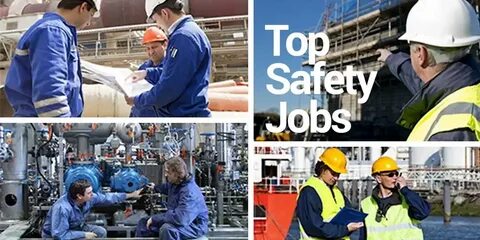

Imagine a career where your work literally helps people stay safe every day — where your decisions protect lives, reduce workplace risks, and build the kind of culture that every team depends on. That’s the promise of Health & Safety Officer jobs in New Zealand today.
This isn’t just another “job search” topic. It’s a strategic career path gaining traction and value across industries — from construction sites to corporate offices, logistics hubs to healthcare. Best of all, the earning potential is strong, with many full-time roles offering between NZ$80,000 and NZ$130,000 per year — and some senior positions reaching well beyond that range depending on experience, skills, and specialization.
This guide breaks down everything you need to know — from what the job entails to how much you can earn, where the demand is rising, and what steps you need to take today to position yourself for success.
What Is a Health & Safety Officer?
At their core, Health & Safety Officers play a critical role in protecting people and organisations by identifying hazards, enforcing health and safety standards, and ensuring workplaces comply with legal and ethical requirements. Whether it’s monitoring construction sites, training employees, or investigating incidents, these professionals are the guardians of safe work environments.
Typical responsibilities include:
- Monitoring and inspecting workplaces for safety compliance
- Investigating accidents or near misses
- Advising on relevant legislation and best practices
- Organising safety training and induction programs
- Developing and updating safety protocols
In essence, you become the go-to person everyone relies on to keep risk under control and people safe.
Why This Career Is Highly Relevant in New Zealand
Workplace health and safety matters in every industry — from agriculture and construction to manufacturing and healthcare. But in New Zealand, it’s also backed by strong legal and regulatory frameworks that make this work both meaningful and necessary.
New Zealand’s legal backbone for workplace safety is the Health and Safety at Work Act 2015, which requires businesses to actively identify and manage hazards rather than just report incidents.
Meanwhile, organisations like WorkSafe New Zealand (Mahi Haumaru Aotearoa) actively support safety enforcement and education nationwide.
These laws and institutions create ongoing demand for trained health and safety professionals who can help companies meet their obligations and protect their people — especially as New Zealand workplaces evolve and grow.
Industry Demand: What the Job Market Looks Like
In practical terms, the demand is strong. Health and safety roles show up in thousands of listings across New Zealand, including:
- Health & Safety Officers
- Safety Advisors
- HSEQ Coordinators
- Health & Safety Managers
- Business Partners in H&S
- Specialist roles in logistics, manufacturing, and public services
Some of the most common employers include construction firms, logistics and transport companies, councils, large manufacturers, and national organisations like WorkSafe.
Key point: Employers are not just hiring generic officers — they are actively recruiting people who bring both technical know-how and strong communication skills because the role bridges compliance and culture.
 Salary Breakdown: What You Can Earn
Let’s break down what you can realistically expect to earn across different experience levels in New Zealand.
| Experience Level | Typical Annual Salary (NZD) | Notes |
|---|---|---|
| Entry Level (0–2 years) | ~NZ$72,000 | Starting salary range for new entrants. |
| Mid-Level (3–7 years) | ~NZ$80,000–$105,000 | Common range for seasoned professionals. |
| Senior/Advanced (8+ years) | ~NZ$115,000–$130,000+ | Senior leadership or specialist roles. |
Additional insight: Salary surveys indicate about 80% of H&S Officers earn between around NZ$54,000 and NZ$115,000, with the potential to exceed these figures depending on skills, region, and specific sector.
High-Demand Industries in 2026
Health & Safety roles are not confined to one sector. Industries hiring significantly include:
- Construction and engineering
- Agriculture and forestry operations
- Manufacturing and heavy industry
- Transport and logistics
- Healthcare and education
- Public sector agencies
The range of roles and contexts means there are entry points for people with diverse backgrounds — from operations to engineering to human resources.
Skills That Set You Apart
Employers are looking for candidates who combine technical capability with strong interpersonal skills.
Core skills valued include:
- Knowledge of workplace health and safety standards
- Risk assessment and auditing experience
- Effective communication and training skills
- Incident investigation and reporting
- Ability to implement continuous improvement processes
Many organisations also value certifications and formal qualifications alongside real-world experience.
How to Get Started in Health & Safety
If you’re considering this path but aren’t sure where to begin, here’s a clear roadmap:
1. Entry Qualifications
- Begin with a basic certificate (Level 4) or diploma (Level 6) in workplace health and safety.
- These can often be studied part-time while you work.
2. Build Experience
- Volunteer as a workplace safety representative or support safety committees.
- Get exposure in industries like construction, logistics, or manufacturing.
3. Advance Your Career
- Pursue further education (bachelor’s, postgraduate diploma) to move into management.
- Join professional associations like the Health and Safety Association of New Zealand (HASANZ) for networking and credibility.
4. Seek Specialized Training
- Look for targeted courses (eg, machinery risk management, contractor safety, incident investigation) for deeper expertise.
What Employers Really Want
Across job listings and professional guidance, employers highlight these priorities:
- Ability to reduce workplace harm proactively
- Clear communication and training capability
- Legal and regulatory compliance awareness
- Team-based mindset (engaging workers in safety culture)
- Adaptability and continuous improvement focus
In short: you don’t just know safety — you must apply it effectively within organisations.
Challenges You Should Know Before You Apply
No career path is without its obstacles. Here are a few common ones:
- Some roles require on-site work in challenging environments (e.g., construction, workshops).
- Entry roles might start below the NZ$80,000 threshold before experience builds your salary.
- Formal qualifications can take time and effort to complete.
But these challenges are balanced by high demand, clear growth paths, and the chance to make a real impact on people’s lives.
Day-to-Day: Life in a Health & Safety Role
A typical day could include:
- Reviewing a site for hazards and creating risk reports.
- Running safety briefings and training sessions.
- Updating organisational safety procedures.
- Investigating incidents and recommending improvements.
- Collaborating with teams to build safer systems.
The variety keeps the role engaging and requires both analytical and interpersonal skills.
The Future: How This Career Continues to Grow
New Zealand is actively strengthening its safety culture across all sectors. Reports project a significant need for trained Health & Safety professionals over the next decade, with an estimated thousands of roles needing to be filled to keep up with demand.
That means if you invest now — in qualifications, experience, and industry reputation — you stand to benefit from career stability, mobility, and progression.
Final Thoughts: Is This Right for You?
If you’re driven by purpose, enjoy structured thinking, and value the wellbeing of others — this career is not just a job. It’s a mission-oriented profession that rewards expertise, attention to detail, and a proactive mindset.
With a salary band often ranging from NZ$80,000 up to NZ$130,000 or more, clear pathways for growth, and opportunities across industries, Health & Safety Officer jobs in New Zealand represent a promising and impactful career choice in 2026.