
Moving to Germany feels like stepping into a new chapter of life. New streets. New language, Opportunities. But before anything else, one practical decision will shape your entire experience:
Where will you live?
This is not a small choice. Your accommodation affects your:
- Budget
- Legal registration
- Stress level
- Comfort
- Daily routine
- Long-term plans
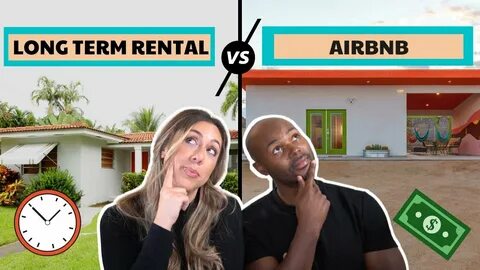
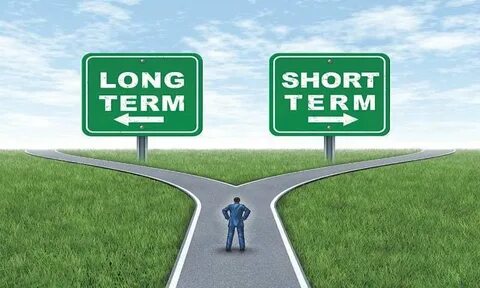
In Germany, newcomers usually choose between two main paths:
- Short-term accommodation (temporary, flexible, and expensive)
- Long-term accommodation (stable, cheaper over time, and harder to secure)
Both options can be smart. Both can also become costly mistakes.
This in-depth guide is written for:
- Students
- Job seekers
- Skilled workers
- Remote workers
- Families
- Anyone planning to move to Germany
We will compare both options honestly. We will look at costs, comfort, paperwork, risks, and real-life scenarios. You will also see a clear table comparison and practical checklists.
By the end, you will know exactly which option fits your situation and how to avoid painful housing mistakes.
Let us start with the reality of the German housing market.
The Reality of Finding Housing in Germany
Germany has one of the most competitive rental markets in Europe. In many cities, demand is much higher than supply.
This is especially true in:
- Berlin
- Munich
- Frankfurt
- Hamburg
- Stuttgart
- Cologne
In these cities, it is normal to see:
- 30 to 100 applicants for one apartment
- Viewings that last only 10 minutes
- Landlords choosing from dozens of profiles
Housing in Germany is not first-come, first-served. It is more like a job application process.
Landlords often prefer:
- People with stable jobs
- People with German documents
- People who already live in the city
This creates a big problem for newcomers.
You need a place to live to start your life. But you often need a local address and documents to get a good place.
This is why many people begin with short-term accommodation.
To understand the real market prices and competition, many people browse large property portals like ImmobilienScout24, which is Germany’s biggest housing website. It shows you what apartments really cost and how fast they disappear.
What Is Short-Term Accommodation in Germany?
Short-term accommodation means temporary housing. You rent it for:
- A few days
- A few weeks
- Or a few months
It is designed for people who need a place quickly and without long commitments.
Common types include:
- Serviced apartments
- Furnished studios
- Holiday apartments
- Sublets
- Guesthouses
- Hostels (for very short stays)
Most short-term places come:
- Fully furnished
- With electricity and water included
- With heating included
- With internet included
You usually:
- Pay one all-in price
- Bring only your suitcase
- Do not worry about contracts with utility companies
This convenience is the main selling point.
Short-term accommodation is popular among:
- New arrivals to Germany
- Business travelers
- Exchange students
- People waiting for long-term contracts
- People in between apartments
But convenience always has a price.
 What Is Long-Term Accommodation in Germany?
Long-term accommodation means renting a place for at least one year or with an open-ended contract.
Common forms include:
- Unfurnished apartments
- Semi-furnished apartments
- Shared flats (called “WG” in German)
- Family apartments
In Germany, “unfurnished” often means:
- No kitchen
- No light fixtures
- No wardrobes
- Sometimes not even curtains
This shocks many newcomers.
With long-term housing, you usually:
- Pay a base rent
- Pay additional service charges
- Pay for electricity and internet separately
You also usually pay:
- A deposit of two or three months’ rent
Long-term housing is meant for:
- People who plan to stay
- People who want stability
- People who want lower monthly costs
Many students and young professionals look for shared flats through WG-Gesucht, which is the most popular platform for finding flat shares in Germany.
The Core Differences in One Clear Table
Here is a simple and honest comparison:
| Feature | Short-Term Accommodation | Long-Term Accommodation |
|---|---|---|
| Typical duration | Days to months | 1 year or unlimited |
| Furnishing | Fully furnished | Often unfurnished |
| Monthly cost | High | Lower |
| Deposit | Often small or none | Usually 2–3 months |
| Flexibility | Very high | Low to medium |
| Paperwork | Minimal | Extensive |
| Registration (Anmeldung) | Sometimes possible | Always possible |
| Stability | Temporary | Stable |
| Best for | New arrivals, transitions | Settling down |
This table shows the surface. The real differences become clearer when we look at money.
Cost Comparison: The Real Price of Convenience
Short-term accommodation in Germany is expensive. Sometimes shockingly expensive.
Why?
Because the price includes:
- Furniture
- Utilities
- Internet
- Flexibility
- Lower risk for the landlord
In big cities, a one-room furnished apartment can cost:
- Berlin: €1,100 to €1,700 per month
- Munich: €1,400 to €2,000 per month
- Frankfurt: €1,200 to €1,800 per month
The same apartment type on a long-term contract might cost:
- Berlin: €700 to €1,000
- Munich: €900 to €1,300
- Frankfurt: €800 to €1,100
That is a huge difference.
However, long-term housing has hidden starting costs:
- Deposit (2–3 months)
- Kitchen purchase or installation
- Basic furniture
- Internet setup fees
So the first three months of long-term living can still feel expensive.
But after that, the monthly cost is much lower.
Flexibility: Freedom vs Commitment
Short-term accommodation wins completely in flexibility.
With short-term housing, you can:
- Extend your stay
- Leave with short notice
- Move to another city easily
- Change plans without big penalties
This is perfect if:
- You are job hunting
- You are still exploring Germany
- You are waiting for family to join
- You are not sure about your city
Long-term housing is the opposite.
You usually:
- Sign a contract for at least 12 months
- Have a notice period of three months
- Cannot leave easily without costs
But this commitment gives you:
- Predictable expenses
- Legal security
- A real home base
Registration (Anmeldung): The Hidden Deal-Breaker
In Germany, you must register your address. This is called “Anmeldung”.
You need this registration for:
- Your tax ID
- Your bank account
- Your residence permit
- Health insurance
- Many official letters
Here is the problem:
Not all short-term apartments allow registration.
Some landlords refuse it.
This can block your entire life in Germany.
Before booking any short-term place, always ask:
- “Is Anmeldung possible at this address?”
Long-term apartments always allow registration.
For anyone staying more than a few months, this point alone makes long-term housing unavoidable.
Comfort and Daily Life: Hotel vs Home
Short-term apartments feel like:
- Hotels
- Or Airbnb-style places
They are:
- Clean
- Neutral
- Practical
But they rarely feel personal.
You often:
- Live from your suitcase
- Avoid buying things
- Do not decorate
- Feel temporary
Long-term apartments become:
- Your real home
- Your personal space
- Your stable base
You can:
- Buy furniture
- Decorate
- Invite friends
- Build routines
This emotional difference is much bigger than people expect.
The Mental Cost of Living “Temporarily”
Short-term living creates a quiet stress.
You often think:
- “What if I must move again soon?”
- “What if I cannot find a long-term place?”
- “What if prices go up?”
This uncertainty stays in your head.
Long-term housing removes this noise.
You can:
- Focus on work or studies
- Make long-term plans
- Relax in your own space
This is not just comfort. It is mental stability.
When Short-Term Accommodation Is the Smarter Choice
Short-term housing is a very good idea if:
- You just arrived in Germany
- You do not know the city yet
- You are still job hunting
- Your work contract is not final
- Your family will join later
- You want to test different areas
It is also useful if:
- Your stay is under six months
- Your employer pays for housing
- You want zero bureaucracy
In these situations, paying more buys you time and safety.
When Long-Term Accommodation Is the Better Choice
Long-term housing is better if:
- You have a stable job or study place
- You plan to stay more than one year
- You want lower monthly costs
- You want full legal stability
- You want to build a real life
It is almost mandatory if:
- You bring family
- You have children in school
- You need a permanent address
In these cases, staying in short-term housing too long becomes financially painful.
The Hybrid Strategy: What Most Smart Expats Do
The most successful approach is often:
- Start with short-term housing for 1 to 3 months
- Search locally for long-term housing
- Move once and settle properly
This strategy:
- Reduces risk
- Improves your chances
- Prevents panic decisions
Being in Germany allows you to:
- Attend viewings in person
- Understand neighborhoods
- Prepare documents
- React fast to new offers
This is how most people eventually succeed.
Documents You Usually Need for Long-Term Housing
Landlords often ask for:
- Passport or ID
- Residence permit or visa
- Proof of income or work contract
- SCHUFA credit record
- Rental application form
- Sometimes a short personal letter
Without these, your chances are low in big cities.
This is another reason why starting short-term is often practical.
City Differences: Berlin Is Not Munich
Germany does not have one housing market.
- Berlin: very competitive, still diverse
- Munich: extremely expensive and very tight
- Frankfurt: business-focused and fast
- Smaller cities: much easier and cheaper
In smaller cities, you may:
- Skip short-term housing
- Find long-term within weeks
- Pay much less
In big cities, expect:
- Many rejections
- Long searches
- Higher prices
Your strategy must match your city.
The Risk of Scams and Bad Deals
Both markets have risks.
Short-term risks:
- Overpriced apartments
- Fake listings
- No registration allowed
Long-term risks:
- Fake landlords
- Deposit scams
- Apartments that do not exist
Basic safety rules:
- Never send money before a contract
- Never pay without seeing the place
- Be careful with “too good to be true” offers
Quality of Life: The Question Most People Forget
Ask yourself:
- Do I want to move again soon?
- Do I want to feel settled?
- Do I want to build routines?
- Do I want to host friends or family?
Short-term housing is a transition tool.
Long-term housing is a life foundation.
Decision Checklist: Which One Fits You?
Choose short-term if:
- You are new in Germany
- Your plans are uncertain
- You need flexibility
- You can afford higher costs
Choose long-term if:
- You are staying long
- Your income is stable
- You want lower costs
- You want stability
Final Verdict: Which Is Better?
There is no universal answer.
But for most people:
- Short-term is a bridge
- Long-term is the destination
The real mistake is staying in short-term housing for too long.
That is when flexibility turns into financial stress.
Conclusion: Make Housing Work for Your Life
Your housing choice in Germany affects:
- Your finances
- Your legal status
- Your comfort
- Your peace of mind
Be strategic:
- Start flexible
- Then commit
- Then build your life
That is how you win the German housing game.
Frequently Asked Questions (FAQ)
1. Can I register my address with short-term accommodation?
Sometimes yes, sometimes no. Always confirm before booking. Registration is essential in Germany.
2. How long should I stay in short-term housing?
Ideally between one and three months. Longer stays become very expensive.
3. Is long-term housing always unfurnished in Germany?
Often yes. Many apartments come without kitchens or light fixtures.
4. Which option is better for students?
Many students start with short-term housing, then move into shared long-term flats.
5. Can I rent long-term before arriving in Germany?
It is possible, but risky. Scams are common. Searching in person is much safer.