
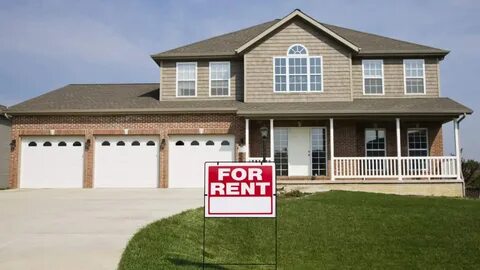

Renting a house or apartment in Germany can feel exciting. It can also feel intimidating. The country has one of the most competitive rental markets in Europe. In major cities, dozens of people often apply for the same apartment.
If you show up unprepared, you usually lose.
If you show up with the right documents, properly arranged, you immediately stand out.
This guide will walk you through every document you need to rent a house in Germany, why landlords ask for them, and how to prepare them even if you are a foreigner, student, or new arrival.
We will keep the language simple, practical, and honest.
No fluff. No confusion. Just what works.
Why Germany Is So Strict About Rental Documents
Germany has a strong tenant protection system. Once a tenant moves in, it is very hard to remove them. Because of this, landlords are extremely careful before handing over their property.
They want to know:
- Can you pay the rent?
- Are you reliable?
- Will you respect the property?
- Are you legally allowed to live in Germany?
This is why the application process feels more like a job interview than a simple house viewing.
According to official guidance on housing in Germany, competition is highest in big cities and university towns, and landlords often choose tenants based on documents alone, not just personality or promises.
The Reality of Renting in Germany Today
Before we talk about documents, you should understand the environment.
In many cities:
- 20 to 100 people may apply for one apartment.
- Viewings can last only 10 minutes.
- Landlords often decide within 24 to 48 hours.
- If your documents are incomplete, you are ignored.
This is not personal. It is just supply and demand.
Your goal is simple:
Make it easy for the landlord to say yes to you.
The right documents do exactly that.
 The Core Documents Landlords Almost Always Ask For
In Germany, there is a standard set of documents that most landlords expect. Some may ask for all. Some may ask for only a few. But you should prepare all of them in advance.
Here is the core list:
- Passport or ID card
- Residence permit or visa (if applicable)
- Proof of income
- SCHUFA credit report
- Rental application form (Mieterselbstauskunft)
- Proof of previous rent payments
- Employment contract or study certificate
We will explain each one in detail.
1. Passport or National ID
This is the simplest document. It proves:
- Who you are
- Your name and date of birth
- Your nationality
If you are an EU citizen, your national ID card is usually enough.
If you are not an EU citizen, you will use your passport.
Landlords need this to:
- Verify your identity
- Create the rental contract correctly
- Avoid fraud
Tip:
Always bring both:
- The original document
- A clean photocopy or PDF
2. Residence Permit or Visa (For Non-EU Citizens)
If you are not an EU or EEA citizen, landlords will often ask:
- Are you legally allowed to live in Germany?
You prove this with:
- Your residence permit card, or
- Your visa in your passport
This shows:
- Your legal status
- How long you are allowed to stay
- Whether your stay is temporary or long-term
Some landlords prefer tenants whose permits are valid for at least 12 months or more.
Important:
Not having this yet does not always block you. But it reduces your chances in competitive cities.
3. Proof of Income (Einkommensnachweis)
This is one of the most important documents.
Landlords want to know:
Can you afford this apartment?
In most cases, your rent should not exceed 30 to 40 percent of your net monthly income.
Common accepted documents:
- Last 3 salary payslips
- Employment contract showing salary
- Bank statements (sometimes)
- For freelancers: tax statements or income summaries
- For students: blocked account or sponsor letter
If you are newly employed, your signed work contract is often enough.
4. SCHUFA Credit Report (Bonitätsauskunft)
This is the document that scares many newcomers.
SCHUFA is Germany’s credit history system. It shows:
- Whether you pay bills on time
- Whether you have debts
- Whether you are financially reliable
Landlords use it to measure financial risk.
You can learn what SCHUFA is and how it works from this detailed explanation: https://allaboutberlin.com/guides/schufa
If you are new to Germany:
- You may not have a SCHUFA record yet.
- That is normal.
- Some landlords accept this.
- Others may still prefer someone with history.
Tip:
If you do not have SCHUFA yet, offer:
- A higher deposit (if allowed)
- A guarantor
- More proof of income
5. Rental Application Form (Mieterselbstauskunft)
This is a self-disclosure form. It is very common in Germany.
It usually asks for:
- Name and date of birth
- Current address
- Job and employer
- Monthly income
- Number of people moving in
- Pets or no pets
- Smoking or non-smoking
- Past rental problems (if any)
This form helps landlords compare many applicants quickly.
Be honest.
Lying can get your contract canceled later.
6. Proof of Rent Payment History (Mietschuldenfreiheitsbescheinigung)
This long German word means:
A document from your previous landlord saying you have no rent debt.
It proves:
- You paid your rent on time
- You did not leave with unpaid bills
Not all landlords ask for it. But when they do, it gives you a huge advantage.
If you are coming from outside Germany:
- A letter from your previous landlord can help.
- Even in English.
7. Employment Contract or Study Certificate
This document explains why you are in Germany and what you do.
For workers:
- Your employment contract shows:
- Your job
- Your salary
- Your contract length
For students:
- Your enrollment certificate shows:
- Your university
- Your study program
- Your student status
This gives landlords confidence in your stability.
Summary Table: Documents and Their Purpose
| Document | Why Landlords Want It | Who Needs It |
|---|---|---|
| Passport / ID | Identity verification | Everyone |
| Residence permit / Visa | Legal stay proof | Non-EU citizens |
| Proof of income | Check affordability | Workers, freelancers |
| SCHUFA report | Credit reliability | Most applicants |
| Rental application form | Quick comparison | Everyone |
| Rent payment proof | Past behavior | If available |
| Work or study proof | Stability check | Workers and students |
Extra Documents That Can Increase Your Chances
In very competitive cities, some landlords also like:
- Bank statements
- Cover letter about yourself
- Guarantor document
- Proof of savings
- Copy of health insurance
These are not always required. But they can set you apart.
How to Prepare Your Documents Like a Pro
Here is the winning strategy:
- Scan everything into one clean PDF
- Name it clearly, for example:
“Rental_Application_John_Doe.pdf” - Keep file size small
- Send it immediately after viewing
Speed matters in Germany’s rental market.
Common Mistakes That Get Applications Rejected
Avoid these mistakes:
- Missing SCHUFA
- No proof of income
- Blurry photos of documents
- Unorganized files
- Long explanations instead of clear documents
- Applying without legal status proof
Landlords often do not reply. They just move on.
Special Situations and How to Handle Them
If You Are a Student
Use:
- Enrollment certificate
- Blocked account or sponsor letter
- Parent guarantor if needed
If You Are New to Germany
Use:
- Work contract
- Bank statements
- Explanation letter
- Offer a guarantor if possible
If You Are Self-Employed
Use:
- Tax returns
- Income statements
- Accountant letter
- Business registration
Understanding the Deposit (Kaution)
In Germany:
- The maximum deposit is 3 months cold rent
- You do not pay it all at once if you do not want to
- You can pay in three monthly parts
Never pay a deposit before signing a contract.
Why Germany’s System Is Actually Good
It feels strict. It feels stressful.
But once you are in:
- Your rent is stable
- Your contract is strong
- You are well protected by law
Germany is built for long-term renting, not quick moves.
Final Thoughts: Preparation Is Everything
Renting in Germany is not about luck.
It is about:
- Preparation
- Organization
- Speed
- Trust
If you show up with the right documents, you are already ahead of most people.
Frequently Asked Questions (FAQ)
1. Can I rent a house in Germany without SCHUFA?
Yes, but it is harder. Many landlords prefer applicants with SCHUFA. You can compensate with higher income proof or a guarantor.
2. How much income do I need to rent an apartment in Germany?
Your net income should usually be at least three times the cold rent.
3. Can foreigners rent apartments in Germany?
Yes. Foreigners can rent legally. You just need legal residence status and the right documents.
4. Do I need a German bank account before renting?
Often yes. Many landlords prefer a German IBAN for rent payments.
5. How long does it take to find an apartment in Germany?
In big cities, it can take weeks or even months. In smaller cities, it is much faster.