
Introduction: A Quiet Shift That’s Changing European Travel
For decades, Europe meant one thing for most travelers: Schengen.
Paris, Rome, Amsterdam, Barcelona. Predictable routes. Familiar crowds. Long queues.
But something has changed.
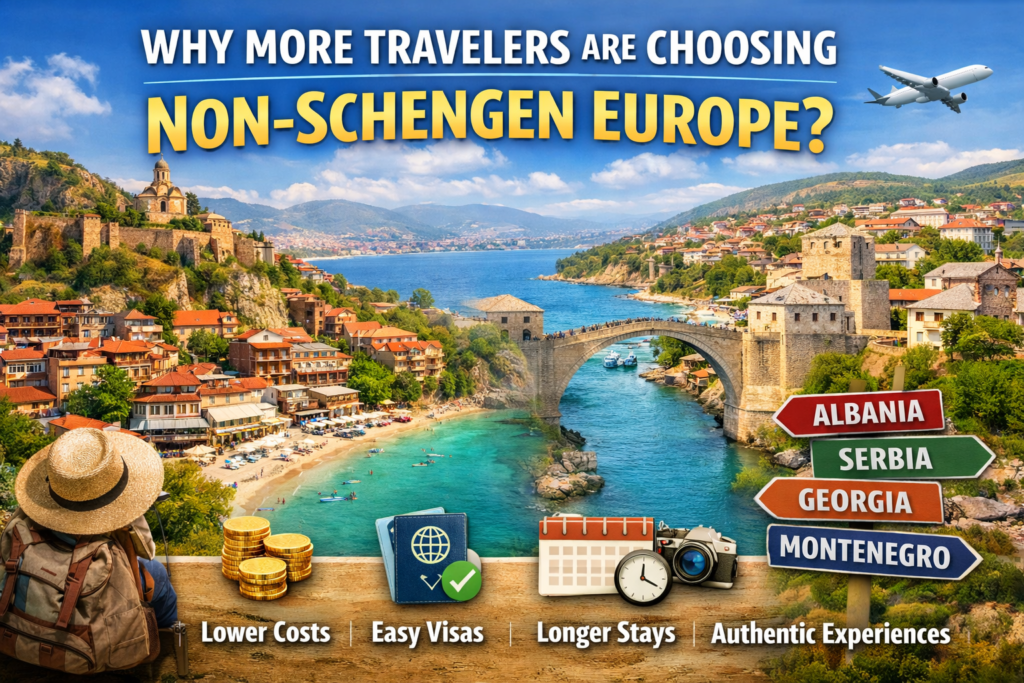
More travelers are quietly skipping Schengen Europe altogether. They are choosing destinations just outside it. These places feel freer, cheaper, and more human. They offer Europe’s charm without its travel fatigue.
This shift is not accidental. It is strategic.
Visa stress is rising. Costs are climbing. Crowds are overwhelming. And many travelers want deeper experiences, not checklist tourism.
Non-Schengen Europe offers a powerful alternative.
In this article, we explore why travelers are making this choice. We compare costs, visas, culture, safety, and overall experience. We also examine the downsides, not just the benefits.
If you are planning your next European trip, this might change everything.
What “Non-Schengen Europe” Really Means
Before going deeper, let’s clarify the term.
The Schengen Area is a group of European countries that allow passport-free travel between them. Once you enter, you can move freely.
Non-Schengen Europe refers to European countries outside that agreement.
These countries are still European. They still offer rich culture and history. But they have their own visa rules and border controls.
Examples include:
- United Kingdom
- Ireland
- Albania
- Serbia
- Bosnia and Herzegovina
- Montenegro
- North Macedonia
- Georgia
- Armenia
- Azerbaijan
Some are EU members. Others are not. What unites them is freedom from Schengen rules.
That difference matters more than most travelers realize.
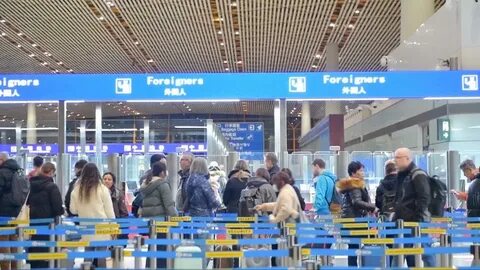 The Schengen Fatigue: Why Travelers Are Burning Out
Schengen Europe is beautiful. No one denies that.
But it comes with growing frustrations.
Common Complaints Travelers Share
- Long visa processing times
- High rejection rates for certain passports
- Expensive accommodation
- Overcrowded attractions
- Rigid entry rules
- Short permitted stays
Many travelers feel boxed in. The famous “90 days within 180 days” rule limits flexibility.
Once your Schengen days are used, you must leave. Even if you want to stay longer.
This is one reason non-Schengen destinations are gaining attention.
Visa Freedom: The Biggest Driving Force
Visa policy is the number one reason behind this shift.
Many non-Schengen European countries offer:
- Visa-free entry
- Visa on arrival
- Long permitted stays
- Simple online e-visas
For travelers from Africa, Asia, and parts of the Middle East, this matters deeply.
Schengen visas are expensive, stressful, and uncertain. Rejections are common.
Non-Schengen countries feel more welcoming.
You can see an overview of Schengen visa rules and restrictions on the official Schengen Area page, which highlights why alternatives are becoming attractive.
Longer Stays Without Pressure
Time freedom changes travel quality.
In Schengen Europe, you constantly watch the calendar.
In non-Schengen Europe, time stretches.
Many countries allow stays of:
- 30 days
- 60 days
- 90 days
- 180 days
Some allow extensions without leaving.
This makes a huge difference for:
- Digital nomads
- Slow travelers
- Students
- Freelancers
- Content creators
You can settle in. Learn the language. Build routines. Feel local.
That depth is hard inside Schengen limits.
Cost of Living: Europe Without the European Prices
Money is another major factor.
Schengen destinations have become expensive. Even budget travelers feel the squeeze.
Non-Schengen Europe offers better value.
Typical Savings Travelers Notice
- Cheaper hotels and rentals
- Affordable public transport
- Lower food costs
- Budget-friendly tours
- Reasonable daily expenses
A meal that costs €20 in Western Europe may cost €6 elsewhere.
Accommodation can be half the price.
Data from Numbeo’s cost of living comparisons shows significant gaps between Western Europe and Balkan or Caucasus countries.
For long trips, these savings are game-changing.
Comparison Table: Schengen vs Non-Schengen Europe
| Feature | Schengen Europe | Non-Schengen Europe |
|---|---|---|
| Visa difficulty | High for many passports | Often low or none |
| Stay limits | Strict 90/180 rule | Flexible, longer stays |
| Daily cost | High | Low to moderate |
| Tourist density | Very high | Low to medium |
| Cultural immersion | Limited by crowds | Deeper, authentic |
| Bureaucracy | Heavy | Lighter |
| Travel stress | High | Lower |
This contrast explains the growing preference.
Crowds Are Pushing Travelers Away
Tourism success can become a problem.
Major Schengen cities struggle with overtourism. Locals complain. Prices rise. Experiences suffer.
Travelers report:
- Museums sold out weeks ahead
- Streets packed all day
- Long waiting times
- Reduced authenticity
Non-Schengen destinations feel calmer.
You can walk freely. Take photos peacefully. Sit in cafes without fighting for space.
That calm is addictive.
Authenticity: Feeling Like a Guest, Not a Number
Many travelers want connection.
They want conversations, not queues.
They want culture, not commercialized performances.
Non-Schengen Europe still offers:
- Family-run businesses
- Traditional food scenes
- Local markets
- Genuine hospitality
People are curious about visitors. Conversations feel natural.
You feel noticed, not processed.
This emotional difference matters more than guidebooks admit.
Safety and Comfort: An Honest Look
Some travelers worry about safety outside mainstream routes.
This concern is understandable. But often exaggerated.
Most non-Schengen European countries are safe for visitors.
Violent crime rates are low. Petty crime exists, like anywhere.
What surprises many travelers is:
- Friendly policing
- Calm neighborhoods
- Strong community presence
You still need common sense. But fear should not stop you.
Language Barriers Are Easier Than Expected
Another concern is communication.
Many assume English is only widely spoken in Schengen hubs.
Reality is different.
Younger populations across non-Schengen Europe speak English well. Especially in cities.
Signs, menus, and transport systems are often bilingual.
Learning basic local phrases also goes a long way. Locals appreciate the effort.
Digital Nomads Are Leading the Shift
Remote work changed travel patterns.
Digital nomads need:
- Long stays
- Reliable internet
- Affordable living
- Simple visas
Non-Schengen Europe delivers all four.
Cities like Tbilisi, Belgrade, and Tirana have become nomad hotspots.
Cafes have Wi-Fi. Apartments are affordable. Communities are growing.
Schengen limits, by contrast, feel restrictive for remote workers.
Food Culture: Unexpected Culinary Richness
Food surprises many first-time visitors.
Non-Schengen Europe blends influences:
- Mediterranean
- Middle Eastern
- Slavic
- Central Asian
Meals are hearty, fresh, and affordable.
You can eat well without spending much.
Local wines, cheeses, and breads often rival famous European brands.
Food becomes part of daily life, not a luxury event.
Transportation: Slower, But More Human
Transport systems may be less polished. That’s true.
But they are often:
- Cheaper
- More scenic
- Less stressful
Buses and trains connect towns organically. You see landscapes. You meet locals.
Travel becomes part of the experience, not just a transfer.
The Downsides You Should Know
This shift is not perfect.
Non-Schengen Europe has challenges.
Potential Drawbacks
- Fewer direct international flights
- Less tourist infrastructure in rural areas
- Slower bureaucracy in some countries
- Limited luxury options
If you expect five-star convenience everywhere, you may struggle.
But many travelers see these as acceptable trade-offs.
Media and Social Media Influence
Social media changed travel discovery.
Platforms now highlight:
- Hidden European gems
- Budget travel stories
- Visa-free success journeys
Travel influencers showcase non-Schengen destinations as smart alternatives.
This exposure fuels curiosity and confidence.
People follow real experiences, not brochures.
Economic Shifts Are Making a Difference
Some countries actively welcome tourists.
They simplify entry rules. Promote long stays. Encourage foreign spending.
Tourism becomes development, not exploitation.
Travelers sense this openness.
Feeling welcomed matters.
Post-Pandemic Mindset Changes
The pandemic reshaped priorities.
Travelers now value:
- Flexibility
- Safety
- Space
- Meaning
Non-Schengen Europe aligns with these values.
It offers room to breathe. Time to think. Space to explore.
Why First-Time Europe Travelers Are Also Choosing This Route
This trend is not limited to experienced travelers.
First-timers also choose non-Schengen routes because:
- Less visa stress
- Lower financial risk
- Simpler planning
They gain confidence before tackling complex Schengen processes.
It feels like a gentler introduction to Europe.
How This Trend Might Shape Europe’s Travel Future
If this continues, we may see:
- Reduced pressure on Schengen hotspots
- Increased investment in alternative destinations
- More balanced European tourism
Travel becomes distributed, not concentrated.
That benefits everyone.
Who Should Consider Non-Schengen Europe?
This option is ideal for:
- Budget travelers
- Digital nomads
- Slow travelers
- First-time Europe visitors
- Travelers from visa-restricted countries
It may not suit luxury-focused travelers seeking iconic landmarks only.
But for experience-driven travelers, it is powerful.
Conclusion: Europe Is Bigger Than Schengen
Europe is not just Paris, Rome, and Barcelona.
It is broader. Deeper. More diverse.
Non-Schengen Europe offers freedom, affordability, and authenticity. It removes pressure and restores joy.
That is why more travelers are choosing it.
Not because Schengen is bad.
But because alternatives feel better right now.
If you want Europe without the stress, this path deserves your attention.
The quiet shift is already happening.