


Entering Europe can feel exciting and intimidating at the same time. One missing document can turn a dream trip into a stressful airport interrogation. Many travelers assume that having a visa or passport is enough. That assumption causes most entry denials.
European border officers are trained to verify intent, legality, and preparedness. They look beyond stamps and visas. They check documents that prove you know where you’re going, how long you’ll stay, and how you’ll survive financially.
This guide walks you through every document you must carry when entering Europe, why each one matters, and how to prepare them properly. It balances optimism with realism, because Europe welcomes prepared travelers—but rejects careless ones.
Whether you’re entering visa-free or with a Schengen visa, this article is designed to protect you.
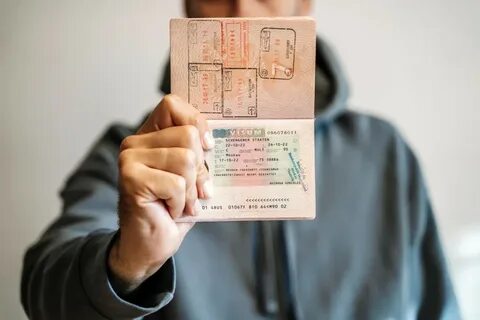
Why Entry Documents Matter More Than Ever
Europe has tightened border controls in recent years. Immigration officers now assume risk first, trust later. This does not mean Europe is hostile. It means Europe wants clarity.
Here’s the truth many blogs avoid:
- A valid visa does not guarantee entry
- A passport stamp is a privilege, not a right
- Border officers can legally deny entry if documents are incomplete
This reality shocks first-time travelers.
Documents are not paperwork. They are your story in evidence form. If your story has gaps, officers fill them with suspicion.
That is why preparation matters.
Your Passport: The Foundation of Everything
Your passport is not just identification. It is your primary entry contract.
Border officers inspect it carefully. They look at validity, condition, and travel history.
Passport Rules You Must Meet
To enter most European countries, your passport must:
- Be valid at least 3 months beyond your exit date
- Have at least two blank pages
- Be issued within the last 10 years
- Be free from damage, tears, or loose pages
A damaged passport raises red flags immediately.
Common Passport Mistakes
Many travelers get denied entry due to avoidable errors:
- Passport expiring too soon
- Water-damaged pages
- Torn visa pages
- Missing blank pages
Your passport should look professional and well-kept. Border officers notice details.
Visa or Visa-Free Status Proof
Europe operates on two major entry categories: visa-required and visa-free.
Both categories require proof.
If You Need a Visa
If your nationality requires a visa, you must carry:
- Your approved visa sticker or e-visa
- Proof the visa matches your travel purpose
- Entry dates that align with your itinerary
A tourist visa used for job hunting invites refusal.
If You Are Visa-Free
Visa-free travelers must still prove eligibility. This includes:
- Proof of nationality
- Proof of short stay (usually 90 days)
- Evidence you will leave Europe
You can confirm visa-free eligibility through the official Schengen visa policy portal, which outlines who can enter and under what conditions.
Visa-free does not mean document-free.
Return or Onward Travel Ticket
This document answers one powerful question: “When are you leaving?”
What Border Officers Expect
You must show:
- A confirmed return ticket
- Or an onward ticket to another country
- Dates that align with your allowed stay
Open-ended plans cause suspicion.
Why This Document Is Critical
Lack of a return ticket suggests:
- Possible overstaying
- Intent to work illegally
- Lack of financial planning
Even travelers with strong passports get denied without this proof.
Proof of Accommodation
Europe wants to know where you will sleep. Not knowing signals instability.
Accepted Accommodation Proof
You can present:
- Hotel reservation confirmations
- Airbnb booking receipts
- Invitation letter from a host
- Proof of prepaid accommodation
Your name must appear clearly on the document.
If Staying With Friends or Family
You may need:
- A signed invitation letter
- Host’s address
- Host’s ID or residence permit copy
Some countries require official invitation forms.
Travel Medical Insurance
This document protects you and them.
Medical treatment in Europe is expensive. Countries do not want to absorb foreign healthcare costs.
Insurance Requirements
Your insurance should:
- Cover at least €30,000
- Be valid throughout Europe
- Cover medical emergencies and repatriation
- Match your travel dates
Many Schengen countries strictly enforce this rule.
Common Insurance Errors
Travelers get rejected for:
- Insurance covering only one country
- Coverage dates shorter than stay
- Low coverage limits
If you’re unsure, check requirements through the official EU travel guidance, which outlines insurance and entry expectations.
Proof of Sufficient Funds
Europe wants proof you can support yourself without working.
This document is non-negotiable.
What Counts as Proof
You may present:
- Recent bank statements
- Credit card statements
- Cash declaration
- Sponsorship letter with proof
Statements should be recent, usually within 7–14 days.
Minimum Amounts Vary
Each country sets daily minimums. Officers assess:
- Length of stay
- Destination country
- Accommodation type
Weak financial proof is one of the top denial reasons.
Travel Itinerary and Purpose Explanation
This document shows intention.
Border officers prefer travelers who know their plan.
What to Include
Your itinerary should outline:
- Entry city
- Travel dates
- Cities to visit
- Exit country
You do not need paid tours. You need clarity.
Why This Matters
Clear plans suggest:
- Tourism intent
- Time-bound stay
- Organized travel
Vague answers trigger deeper questioning.
Employment or Study Proof (If Applicable)
This document answers: “Why will you return home?”
Accepted Documents
You may carry:
- Employment letter
- Leave approval letter
- Student ID or enrollment letter
- Business registration documents
These prove strong ties to your home country.
Why Officers Care
Lack of ties suggests migration risk.
Strong ties reduce suspicion.
Invitation Letter (If Visiting Someone)
This document personalizes your trip.
What the Letter Should Contain
An invitation letter should include:
- Host’s full name
- Address and contact details
- Relationship to you
- Duration of stay
- Signature and date
Some countries require notarization.
Border Interview Readiness
Documents alone are not enough. Your answers must match them.
Common Questions Asked
Officers may ask:
- Why are you visiting?
- How long will you stay?
- Where will you sleep?
- How much money do you have?
Inconsistent answers undermine documents.
Golden Rule
Your documents should answer questions before they’re asked.
Key Entry Documents at a Glance
| Document | Required For | Why It Matters |
|---|---|---|
| Passport | All travelers | Identity and legality |
| Visa / Status Proof | Visa-required & visa-free | Legal entry |
| Return Ticket | All short stays | Exit assurance |
| Accommodation Proof | All travelers | Stability |
| Travel Insurance | Most countries | Medical risk |
| Proof of Funds | All travelers | Financial independence |
| Itinerary | All travelers | Intent clarity |
| Employment/Study Proof | Recommended | Home ties |
Digital vs Physical Copies
Always carry physical copies.
Phones fail. Batteries die. Wi-Fi disappears.
Best Practice
Carry:
- Printed copies
- Digital backups
- Organized folder
Prepared travelers face smoother entry.
Common Mistakes That Cause Entry Denial
Avoid these errors:
- Inconsistent answers
- Missing insurance
- Weak financial proof
- No return ticket
- Overconfidence
Confidence without documents is risky.
Final Thoughts: Preparation Is Protection
Europe rewards preparation.
Border officers are not your enemies. They are gatekeepers. If your documents tell a clear, honest story, entry becomes routine.
Travel anxiety usually comes from uncertainty. This checklist removes uncertainty.
Carry these documents. Organize them well. Answer questions calmly.
That is how Europe opens its doors.
Frequently Asked Questions (FAQs)
1. Can I be denied entry even with a valid visa?
Yes. A visa allows you to request entry, not guarantee it.
2. How much money should I show at the border?
It depends on the country and length of stay. More clarity helps.
3. Do visa-free travelers need travel insurance?
Often yes. Officers may request proof.
4. Are digital documents accepted at the border?
Sometimes, but printed copies are safer.
5. What happens if I forget one document?
You may face questioning, delays, or denial of entry.


